
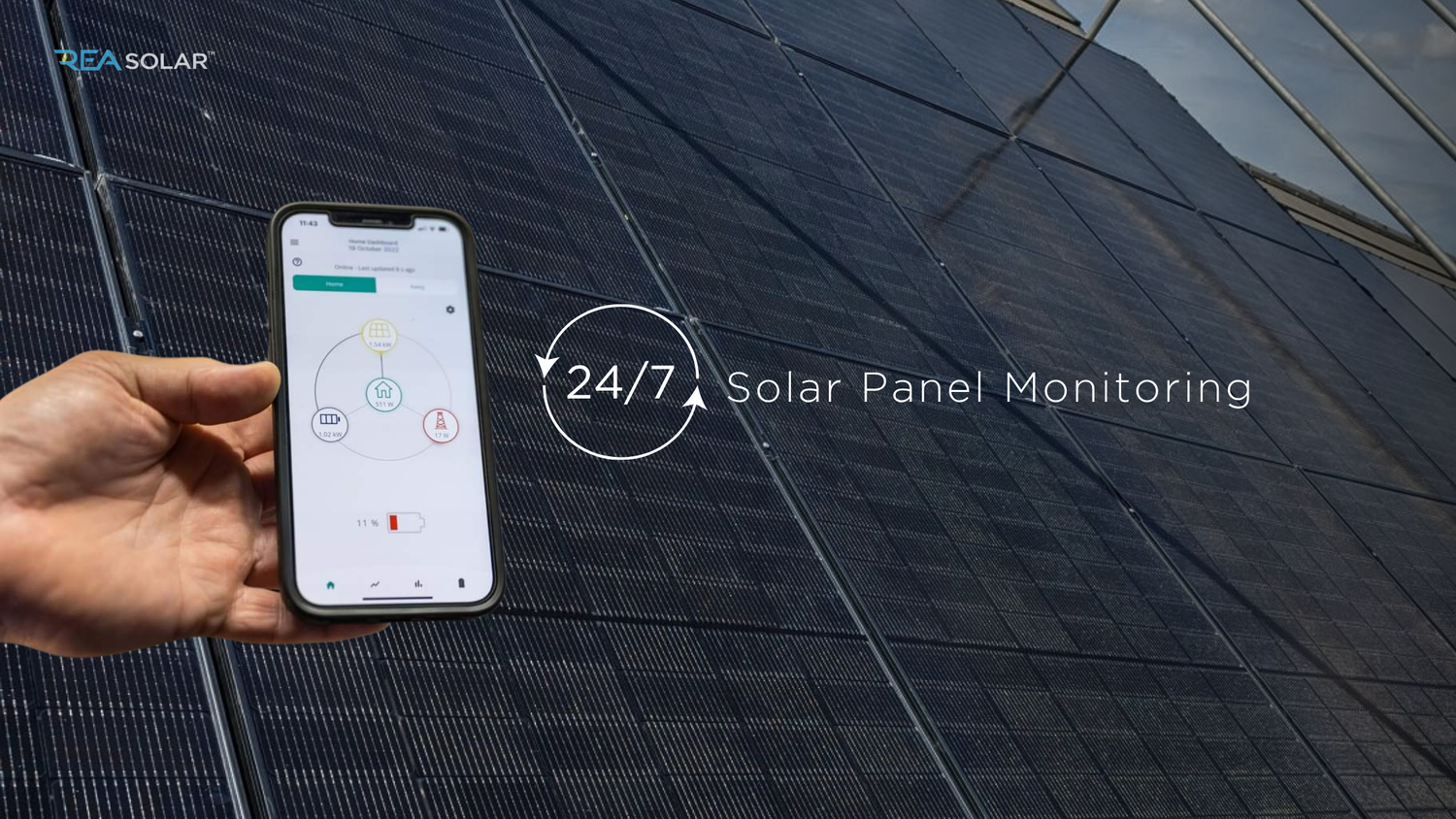
Managing solar across rental properties, duplexes, and small multi-unit dwellings doesn’t have to be complicated. If anything, it should make your life easier—not add another layer of maintenance stress. That’s exactly where panel-level monitoring comes in.
Instead of relying on guesswork or waiting until your system underperforms, individual panel tracking gives you real-time visibility into how each solar panel is performing. For landlords, strata managers, and commercial property owners, this means faster troubleshooting, lower maintenance costs, and better long-term returns.
Across broader markets—not just Queensland but throughout Australia, the UK, and Europe—this smarter approach to solar management is quickly becoming the standard.
What Is Panel-Level Monitoring (and Why It Matters)?
Traditional solar systems typically use string inverters, where panels are connected in groups. If one panel underperforms, it can affect the entire string—making it difficult to pinpoint the issue.
With Enphase microinverters, each panel operates independently. That means:
- You can monitor performance at the individual panel level
- Issues are isolated quickly without affecting the whole system
- Maintenance becomes targeted, not reactive
- System efficiency stays consistently high
This is why panel-level monitoring Australia is gaining traction—and why it’s just as relevant for property owners managing assets internationally.
Key Benefits for Rental Properties & Multi-Unit Dwellings
If you’re managing multiple tenants or properties, simplicity and reliability are everything. Solar performance monitoring delivers both.
✔ Real-Time Performance Insights
See exactly how each panel is performing at any time. No more waiting for electricity bills to reveal a problem.
✔ Faster Fault Detection
Whether it’s shading, dirt, or a faulty unit, you’ll know immediately which panel needs attention.
✔ Reduced Maintenance Costs
Targeted fixes mean fewer technician callouts and less time spent diagnosing issues.
✔ Better Tenant Satisfaction
Reliable solar performance ensures tenants benefit from consistent energy savings.
✔ Scalable Across Portfolios
From a single duplex to multiple properties, monitoring remains simple and centralised.
This is where solar panel level monitoring proves invaluable—it transforms solar from a passive system into an actively managed asset.
Smarter Decisions with Data
Solar monitoring systems aren’t just about fixing problems—it’s about improving performance over time.
With detailed insights, you can:
- Identify underperforming areas of your roof
- Adjust for seasonal shading changes
- Schedule cleaning or maintenance proactively
- Compare performance across multiple properties
Many property owners also use a panel-level monitoring calculator to estimate efficiency gains and forecast long-term savings.
Understanding Costs vs Long-Term Value
Yes, microinverter systems can come with a higher upfront investment compared to traditional setups. But focusing only on installation cost misses the bigger picture.
When evaluating panel-level monitoring cost, consider:
- Lower ongoing maintenance expenses
- Reduced system downtime
- Higher energy production over time
- Longer system lifespan
For landlords and commercial buyers, this often results in a stronger return on investment.
Manage Everything from Your Phone
One of the biggest advantages of modern solar systems is accessibility. Monitoring platforms are designed for ease of use, even if you're not technically inclined.
With a smart dashboard or mobile app, you can:
- Track energy production in real time
- Receive alerts for underperforming panels
- Monitor multiple properties in one place
- Access data anytime, anywhere
While often referred to as a solar monitoring app Australia, these tools are widely used across global markets—making them ideal for investors with international property portfolios.
Why Property Managers & Strata Teams Benefit Most
Panel performance insights are especially powerful for shared or multi-unit systems.
It helps:
- Improve transparency across tenants
- Simplify reporting and performance tracking
- Reduce disputes over energy usage
- Ensure fair and consistent system output
For strata managers, it turns a complex system into something manageable and accountable.
Why Choose REA Power?
When investing in solar, the technology matters—but so does the provider behind it.
REA Power is a trusted manufacturer of high-performance solar panel modules and a provider of advanced battery storage solutions. Their systems are designed for durability, efficiency, and long-term reliability across residential and commercial applications.
What sets REA Power apart:
- ✔ Direct manufacturing expertise in solar modules
- ✔ AC-coupled battery storage solutions for energy independence
- ✔ Systems built for diverse climates across Australia, UK, and the EU
- ✔ Compatible with advanced solar monitoring systems
- ✔ Proven performance for both residential and commercial properties
With REA Power, you’re not just installing solar—you’re investing in a smarter, more manageable energy solution.
Ready to Simplify Solar Maintenance?
If you’re managing rental properties, duplexes, or commercial spaces, solar performance monitoring can save you time, reduce costs, and improve system performance.
Take control of your solar system today.
📞 Call 1300 360 047
🌐 Contact REA Power to learn more about smarter solar solutions
Make the switch to efficient, transparent, and hassle-free solar management with REA Power.
FAQs
Why are people getting rid of their solar panels?
Some people remove solar panels because older systems may no longer meet modern efficiency standards. Early-generation panels often lack advanced features like monitoring and optimisation. In some cases, roof renovations or structural changes require panel removal. Others choose to upgrade to newer systems with better performance and integrated battery storage. Overall, most removals are part of an upgrade rather than abandoning solar energy entirely.
What are the four types of monitoring?
The four main types of solar monitoring are system-level, string-level, panel-level, and remote/cloud-based monitoring. System-level monitoring shows total energy output but lacks detail. String-level monitoring breaks output into groups of panels. Solar monitoring systems provide the most precise insights by tracking each panel individually. Remote monitoring allows users to access this data through apps or online dashboards from anywhere.
What did Elon Musk say about solar energy?
Elon Musk has described solar energy as one of the most abundant and sustainable power sources available. He has emphasised its potential to reduce global dependence on fossil fuels. Musk also highlights the importance of battery storage in making solar energy more reliable. Through his ventures, he promotes combining solar panels with energy storage systems. His overall stance is that solar plays a critical role in a sustainable energy future.
Is a 10kW solar system too big?
A 10kW solar system is not too big for many homes or small commercial properties. It is well-suited for households with high energy usage or properties with multiple occupants. Duplexes and rental properties can particularly benefit from this system size. With solar performance monitoring, performance can be optimised and managed effectively. The ideal system size ultimately depends on your energy needs and long-term goals.

Leave a comment
This site is protected by hCaptcha and the hCaptcha Privacy Policy and Terms of Service apply.