
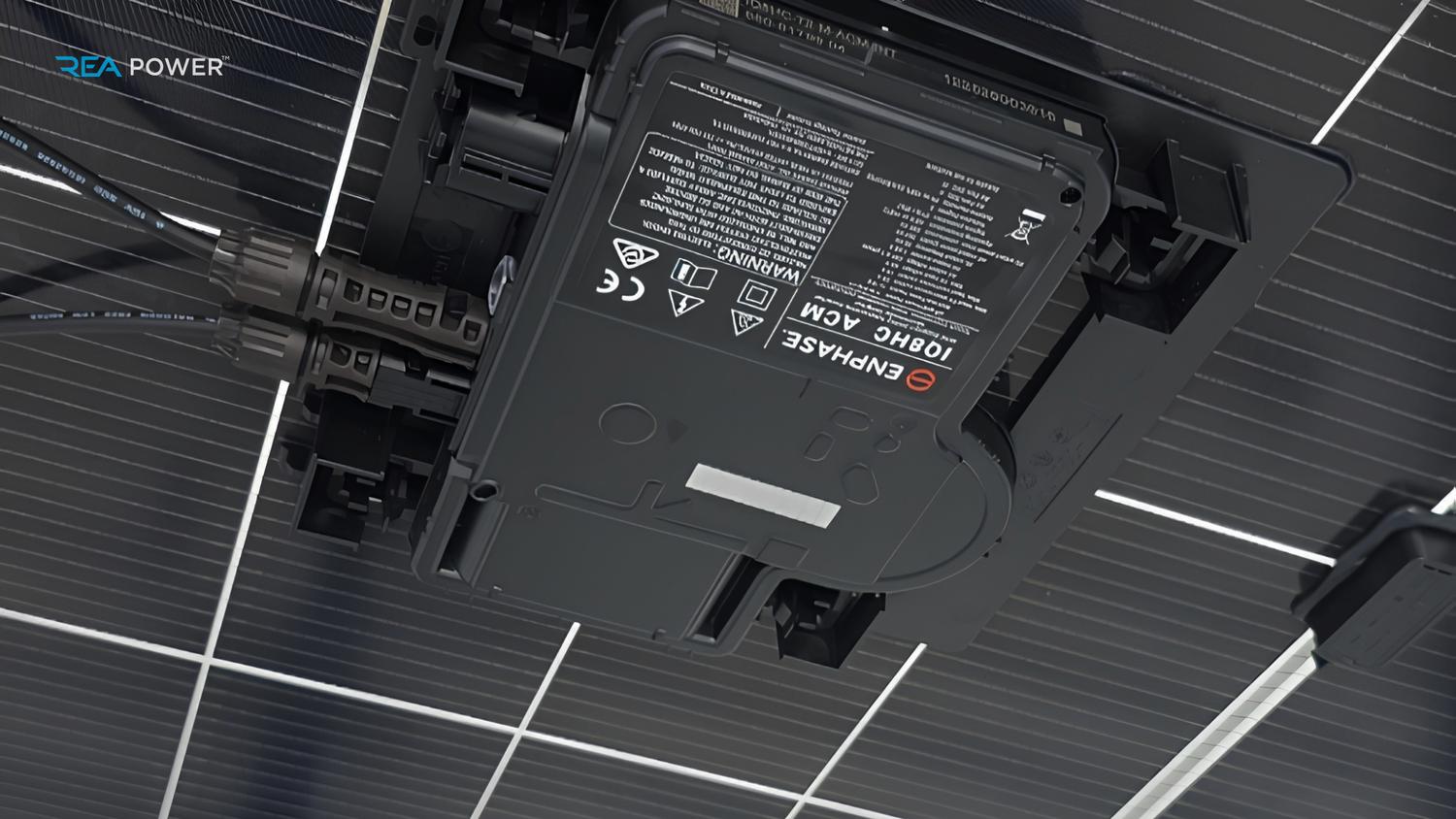
Queensland's sunny climate has made it one of Australia's leading regions for solar adoption, but an often-overlooked factor is helping some property owners generate even more energy from the same system: roof reflectivity, also known as albedo.
While many discussions focus on bifacial yield with QLD roof conditions, the same principles are increasingly being applied across Australia, the United Kingdom, and Europe, where businesses and homeowners are looking for smarter ways to maximise solar performance without increasing roof space.
Modern bifacial solar panels can capture sunlight from both sides of the module, allowing them to generate additional energy from reflected light. When paired with reflective roofing materials, commercial membrane roofs, light-coloured paving, or high-albedo surfaces, bifacial systems can significantly improve overall energy production and long-term return on investment.
Whether you're operating a warehouse in Brisbane, a distribution centre in Melbourne, a commercial property in London, or an industrial facility in Germany, understanding how reflective surfaces influence solar generation can unlock substantial performance gains.
What Is Bifacial Solar Technology?
Traditional solar panels capture sunlight only from the front side. Bifacial solar panels are designed with photovoltaic cells on both sides, allowing them to generate electricity from direct sunlight on the front and reflected light on the rear.
This technology enables higher energy production, especially when installed over reflective surfaces such as:
- Light-coloured Colorbond roofing
- White membrane commercial roofs
- Concrete surfaces
- Gravel areas
- Reflective ground treatments
- Light-coloured paving
Many property owners researching bifacial solar panels on roof installations are discovering that panel placement and surface reflectivity can substantially influence performance.
Advanced modules such as the FUSION R bifacial range are engineered to capitalise on reflected solar radiation, helping generate more electricity from the same roof footprint.
How Roof Reflectivity Influences Bifacial Solar Yield Across Different Climates
Albedo refers to a surface's ability to reflect sunlight. The higher the albedo value, the more light is reflected toward the rear side of bifacial panels.
While Queensland provides ideal conditions due to its high solar irradiance, reflective roof surfaces can improve bifacial solar performance in a wide range of environments.
For example:
- Queensland and Northern Australia benefit from intense sunlight and long hours of sunshine.
- Southern Australian cities such as Melbourne and Adelaide can improve annual energy yields through reflective commercial roofing.
- UK businesses increasingly use white membrane roofing to improve bifacial performance despite lower solar irradiance levels.
- European industrial facilities are adopting bifacial systems alongside reflective ground treatments to maximise energy generation from limited installation space.
This demonstrates that bifacial technology is not solely dependent on hot climates. Proper system design and reflective surfaces can improve performance in diverse solar markets.
When properly designed, bifacial systems installed above reflective environments can increase total energy generation by up to 30%.
For property owners seeking a bifacial yield with QLD roof calculator, professional solar modelling can estimate the performance improvements achievable based on roof type, panel height, tilt angle, and surrounding surface materials.
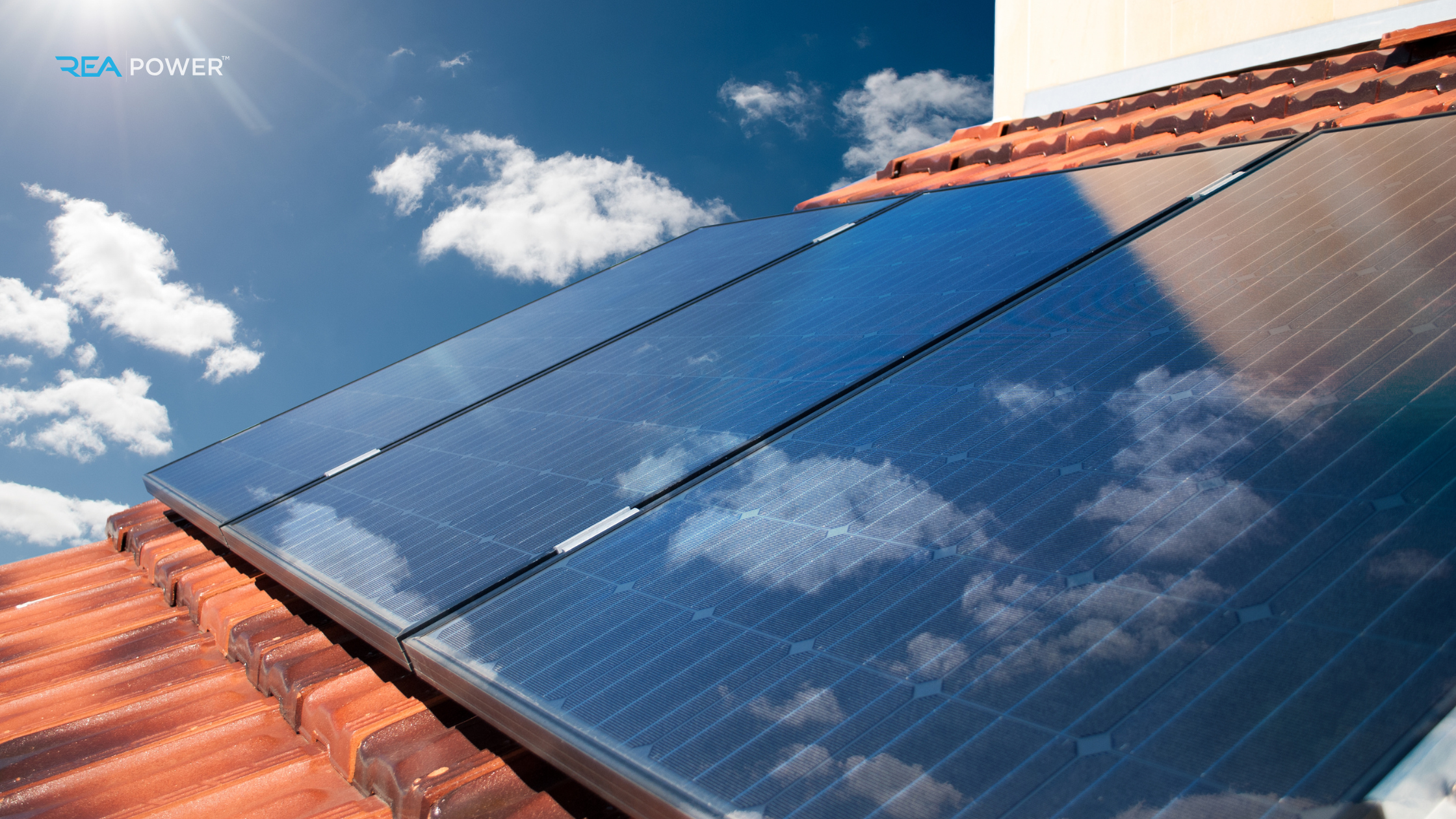
White roofs and light-coloured Colorbond surfaces often provide among the strongest albedo benefits for residential and commercial solar projects across Australia and international markets.
Optimising Bifacial Systems for Homes and Businesses
To maximise bifacial performance, installers must consider more than just panel selection.
Increase Panel Elevation
Raising panels slightly above the roof surface allows more reflected sunlight to reach the rear side of the module.
Choose Reflective Roofing Materials
Light-coloured roofs consistently outperform darker roofing materials when paired with bifacial technology.
Improve Ground Reflectivity
Commercial facilities can benefit from:
- White gravel
- Light concrete
- Reflective membranes
- Bright paving materials
Optimise Tilt Angles
Correct panel angles improve both front-side and rear-side solar exposure throughout the day.
Businesses evaluating bifacial yield with QLD roof calculator tools should remember that professional site-specific modelling generally delivers the most accurate yield predictions.
Why Bifacial Solar Is Growing Globally
The global solar industry is increasingly adopting bifacial technology as organisations seek greater energy output without expanding their installation footprint.
Several factors are driving growth:
- Rising electricity prices across Australia, the UK, and Europe
- Increasing demand for commercial solar solutions
- Improvements in bifacial module efficiency
- Falling manufacturing costs
- Greater focus on long-term energy independence
- Corporate sustainability commitments
Large-scale solar farms, commercial warehouses, logistics centres, agricultural operations, and industrial facilities are all benefiting from bifacial systems that can capture both direct and reflected sunlight.
For many projects, improving surface reflectivity can be one of the most cost-effective methods of increasing solar generation without adding additional panels.
Bifacial Solar Panels Cost, Efficiency, and ROI
One of the most common questions concerns bifacial solar panels cost compared with conventional solar systems.
Bifacial modules generally cost more upfront than standard monofacial panels. However, the additional energy generation often offsets the higher investment over time.
Factors influencing ROI include:
- Roof reflectivity
- Installation design
- Electricity consumption patterns
- Energy prices
- Feed-in tariffs
- System size
For businesses operating across Australia, the UK, and Europe, bifacial systems are becoming increasingly attractive due to rising energy costs and growing pressure to improve sustainability outcomes.
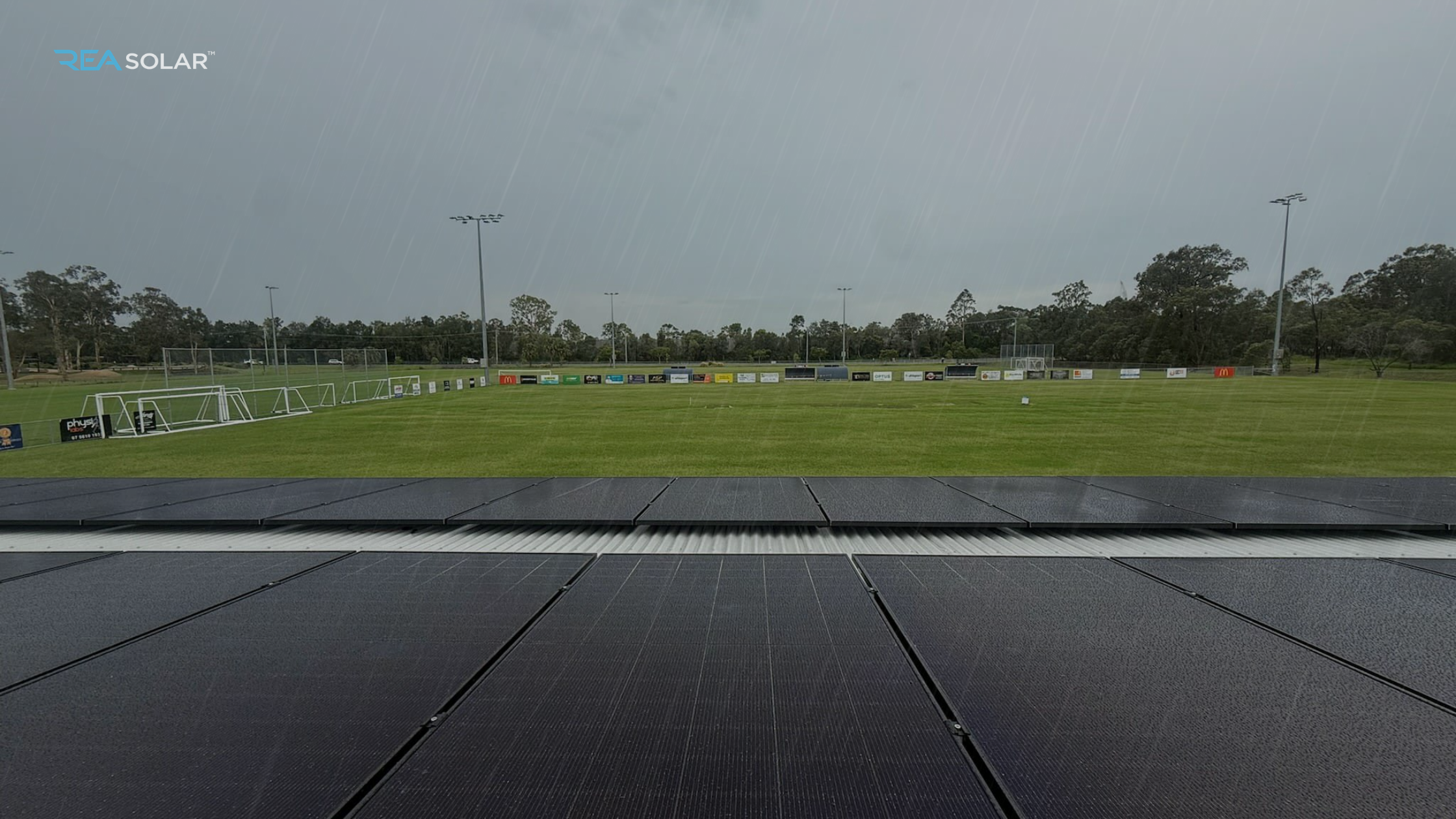
Commercial properties with large flat roofs often achieve the greatest benefits because reflective roof membranes can enhance rear-side energy capture while maintaining efficient use of available space.
This combination can improve project economics and shorten payback periods compared with traditional solar designs.
As manufacturing scales continue to improve globally, bifacial solar panels cost differences are becoming increasingly competitive compared with traditional solar solutions.
Bifacial Solar Panels vs Monocrystalline: Which Is Better?
A common question from buyers is bifacial solar panels vs monocrystalline which is better.
The answer depends on the installation environment.
Traditional monocrystalline panels are highly efficient and remain an excellent choice for many residential properties.
However, bifacial panels can outperform standard monocrystalline systems when:
- Reflective surfaces are present
- Panels have sufficient clearance
- Commercial roofs offer large open spaces
- Ground-mounted systems are installed
- Energy optimisation is a primary objective
Bifacial Solar Panels Advantages and Disadvantages
Understanding bifacial solar panels advantages and disadvantages helps property owners make informed decisions.
Advantages
- Higher energy generation potential
- Improved performance in reflective environments
- Better long-term return on investment
- Reduced levelised cost of energy
- Suitable for residential and commercial applications
- Excellent compatibility with Australian, UK and European conditions
Many property owners considering bifacial solar panels Australia installations view these performance benefits as a major advantage over conventional systems.
Disadvantages
Like all technologies, there are some disadvantages of bifacial solar panels to consider.
These may include:
- Higher upfront costs
- More complex installation requirements
- Performance gains depend heavily on site conditions
- Additional engineering may be required
While the disadvantages of bifacial solar panels are real, they can often be outweighed by the long-term energy gains achieved through proper design.
Overall, understanding the complete picture of bifacial solar panels advantages and disadvantages is essential before selecting a solar solution.
Practical Installation Tips for Maximum Yield
To maximise bifacial solar performance:
- Use light-coloured roofing materials where possible.
- Increase panel clearance above the roof surface.
- Maintain clean reflective surfaces.
- Minimise shading around the installation area.
- Use advanced solar modelling before installation.
- Work with experienced bifacial solar specialists.
- Consider roof upgrades during solar installation projects.
- Evaluate surrounding surfaces that may enhance reflected light.
These strategies help unlock the full performance potential of modern bifacial systems.
Why REA Power Is a Trusted Solar Provider
REA Power supports residential, commercial, and industrial solar projects across Australia while also assisting organisations exploring renewable energy opportunities in the United Kingdom and Europe.
The company's expertise in solar engineering, energy modelling, battery integration, and bifacial system design enables clients to maximise energy production in a wide range of environmental conditions, from high-irradiance Australian regions to commercial developments throughout the UK and EU.
REA Power focuses on:
- Advanced solar engineering
- Commercial solar solutions
- Residential solar systems
- Battery storage integration
- High-performance bifacial installations
- Accurate energy yield modelling
- Long-term energy savings strategies
The team evaluates every project individually to ensure customers receive the most effective solution for their property and energy goals.
Maximising Bifacial Solar Performance Starts with Smarter Surface Design
When discussing bifacial yield with QLD roof conditions, many people focus solely on panel efficiency. However, roof colour, surface reflectivity, mounting height, and surrounding materials can have a significant impact on overall solar generation.
These principles extend far beyond Queensland. Across Australia, the United Kingdom, and Europe, property owners are discovering that reflective roof and ground finishes can help unlock additional energy production from bifacial solar systems without increasing roof space.
As bifacial technology continues to gain momentum globally, projects that combine high-performance modules with intelligent roof and site design are likely to achieve the strongest long-term returns.
Get Expert Advice on Bifacial Solar Solutions
If you're considering bifacial solar technology for your home, commercial building, warehouse, or industrial facility, REA Power can help determine whether your roof and site conditions are suitable for enhanced solar generation.
Call 1300 360 047 today to discuss your project.
Or contact the team online to learn how reflective roof and ground finishes could significantly increase your solar energy production and long-term savings.
Frequently Asked Questions
Can you use bifacial solar panels on a roof?
Yes, bifacial solar panels can be installed on many roof types. They work best when there is enough space beneath the panel for reflected light to reach the rear side. Light-coloured roofing materials can improve performance significantly. Commercial roofs often provide ideal conditions for bifacial systems. Proper design and installation are important for achieving maximum energy generation.
Are bifacial solar panels worth it on a roof?
Bifacial panels can be worth the investment when site conditions support rear-side energy generation. Reflective roofs, elevated mounting systems, and high sunlight exposure improve their value. Properties across Australia, the UK, and Europe can achieve strong results when systems are designed correctly. A professional solar assessment can determine the likely performance gains.
Which solar feed-in rate is best in Australia?
The best feed-in tariff depends on your electricity retailer, location, and usage patterns. Rates vary between providers and regions. Comparing total electricity costs rather than feed-in rates alone is usually the best approach.
What are the disadvantages of bifacial panels?
Bifacial panels generally cost more than traditional solar panels. Their performance benefits depend heavily on installation design and surrounding surface reflectivity. Some sites may not provide enough reflected light to justify the additional investment. Installation can require more planning and engineering considerations. Despite these challenges, many well-designed systems achieve excellent long-term results.

Leave a comment
This site is protected by hCaptcha and the hCaptcha Privacy Policy and Terms of Service apply.