
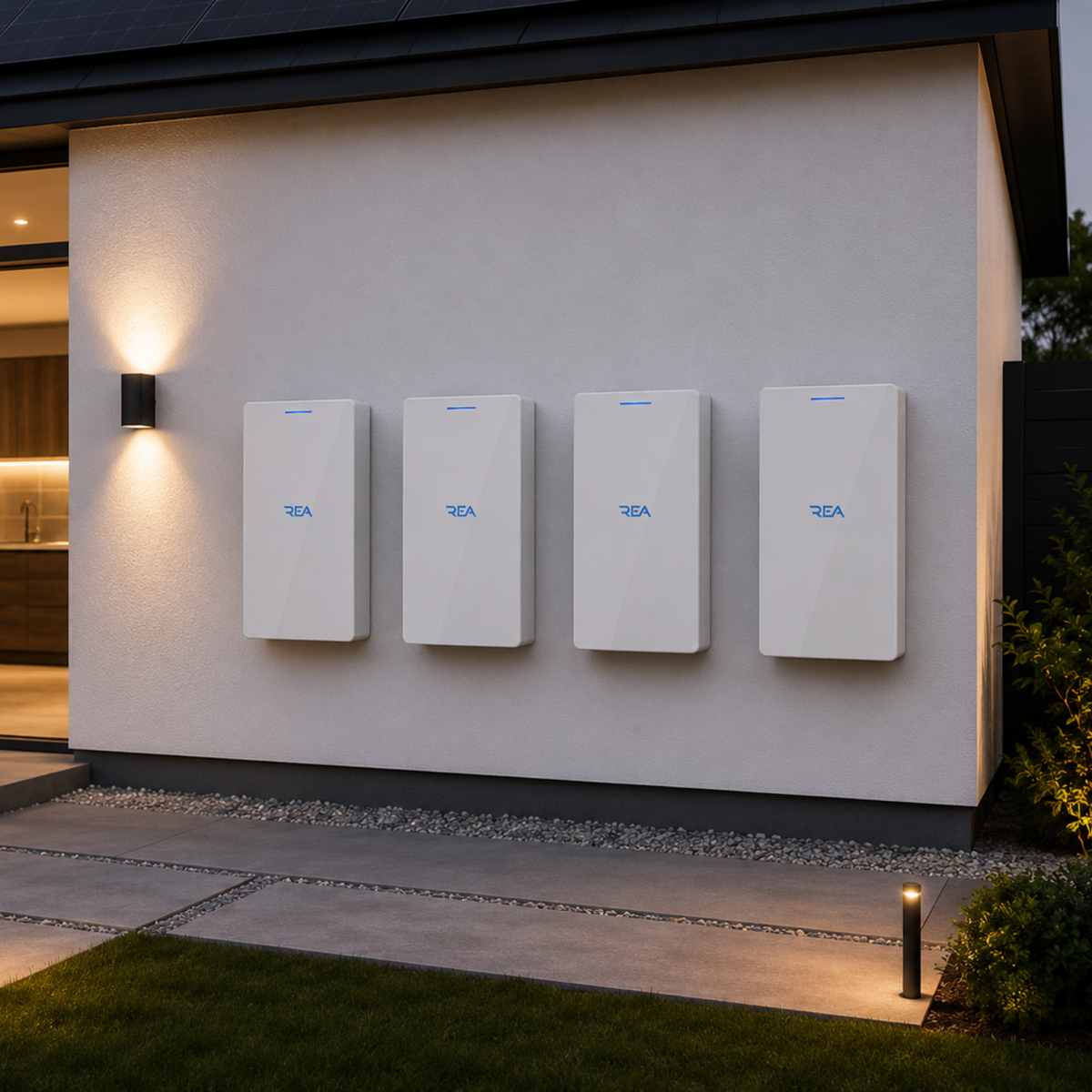
The case for solar batteries Queensland-wide comes down to timing. Rooftop panels produce most of their energy around midday, but many homes and businesses use the most electricity in the evening, after the sun has gone. A battery stores the surplus for later. With the right setup, it can also keep selected circuits running during an outage.
In regional areas, summers are hot, distances are long and repairs can take time, so that flexibility is worth planning for.
Why Are Solar Batteries Becoming More Important In Queensland?
Queensland has strong rooftop solar uptake, so many properties already generate more power at midday than they use. Without storage, the surplus is exported to the grid, often at a lower rate than you pay to buy electricity back at night. A battery lets you keep more of your own generation for your own use.
Government incentives have added to the interest. The federal Cheaper Home Batteries Program gives a discount, delivered through Small-scale Technology Certificates, on eligible batteries installed with solar. From 1 May 2026 the discount became tiered. Smaller batteries still receive the full discount, larger ones receive less, and the rate now reduces more often. Amounts change, so check the Clean Energy Regulator website and make sure your quote shows the discount clearly.
How Can A Battery Help During Hot Periods?
Air-conditioning often runs hardest from mid-afternoon into the night, after solar output has dropped. A battery can cover part of that evening load using energy your panels produced earlier.
It won't cover everything. A large ducted system can draw several kilowatts, and a battery holds a fixed amount of energy. In hotter areas such as Townsville, cooling is a big part of household and commercial energy use, so look at your actual evening usage rather than guessing. Your smart meter data is a good starting point. Many people researching solar power Townsville options start with panels, but the battery is what moves that midday output into the evening.
Heat also affects the battery itself. Check its operating temperature range, install it somewhere shaded and ventilated, and ask how the unit manages heat.
What Should Regional Homes And Businesses Consider Before Choosing A Battery?
Start with two numbers. Capacity (kWh) is how much energy the battery stores. Power rating (kW) is how much it can supply at once. A battery with plenty of kWh but a low kW rating may struggle to run several large appliances together.
Other practical points:
- Usage pattern: When you use energy matters more than how much. Households and businesses with heavy evening or after-hours loads tend to benefit most.
- Existing solar: Some batteries work with your current inverter. Others suit a new hybrid inverter or a full system replacement.
- Single or three-phase: Many commercial sites and larger rural properties run three-phase, which affects the battery and gateway you need.
- Solar array size: A large battery paired with a small array may rarely fill up.
Needs also vary within a region. Around Toowoomba, a suburban home, a business premises and an acreage property with pumps and workshops all use energy differently. A solar battery Toowoomba assessment should start with your loads, not a product.
What Can a Battery Do In a Power Outage?
Only what it was installed to do. A standard grid-connected battery system shuts down during a blackout for safety, even if the battery is full and the sun is out. Backup needs a gateway or switch that isolates your property from the grid and then powers selected circuits or the whole site.
Backup is limited by the battery's kW rating and the energy left in it. A well-sized system might run lights, fridges, internet and a few outlets for hours. Running air-conditioning, a pool pump and an oven at once is a much bigger ask. Some systems can recharge from solar during an outage, but this depends on the design. Ask your installer exactly what will run, and for how long.
What About Remote Areas Such As Longreach And Mount Isa?
Remote properties often have different priorities. When parts and technicians are hours away, reliability and serviceability matter more. Loads such as bores, pumps, workshops and cold rooms can have high start-up demands that affect system design.
Not every remote property needs to go off-grid. Options include grid-connected with backup, hybrid with a generator, or fully off-grid. Off-grid systems must be sized for consecutive cloudy days, which usually means more storage and generator integration. For anyone looking at solar batteries Longreach, a load assessment and service plan matter as much as the product itself.
For regional businesses and industrial sites, including those looking at solar batteries Mount Isa, the questions are which loads the battery should carry, how long it needs to run them, and what connection requirements apply. Network rules depend on the local network operator and system size, so confirm them early.
What Should You Look For In A Solar And Battery System?
Whether you're comparing a solar battery system Queensland installers offer or a larger commercial setup, these factors matter:
- Chemistry: Lithium iron phosphate (LFP) is common in home batteries and is known for thermal stability and long cycle life.
- Usable capacity: This is the energy you can actually draw, not the headline figure.
- Warranty: Check the years, the energy throughput covered and the capacity guaranteed at the end.
- Backup functionality: Find out whether it covers essential circuits or the whole site, and whether it supports three-phase.
- Compatibility and approvals: Look for compatibility with your existing solar and for Clean Energy Council-approved products.
- Monitoring and scalability: You want clear app data, and ideally the option to add capacity later.
Smart Energy Management and VPPs
A virtual power plant (VPP) links many home batteries so a provider can coordinate when they charge and discharge, usually in exchange for credits or payments. Before joining one, check how much control the provider has over your battery, how much charge is kept in reserve for backup, and whether you can leave.
Why Consider REA Power?
REA Power supplies solar and battery technology across Australia, the UK and Europe, working with a network of local Power Partners to bring its products and systems to customers in different regions. This gives customers access to REA Power technology while working with a local team familiar with their area.
One example is POWERBANK X, a home battery developed with ATMOCE. The 7 kWh LFP battery is available in single-phase and three-phase versions and can be paired with a PowerHub Gateway for whole-home backup.
For Queensland homes and businesses, its design is also worth considering. POWERBANK X uses fewer components, which can help reduce the amount of heat generated within the system. That can be a practical consideration in a state where high temperatures and air-conditioning demand can contribute to higher energy use.
FAQs
Can I add a battery to my existing solar system?
Often, yes. It depends on your current inverter, the age of your system and whether the battery is AC or DC coupled. Some batteries work with your existing inverter, while others suit a new hybrid inverter. An installer should check your switchboard, inverter and solar array before recommending anything.
How much battery capacity do I need?
Start with your evening and overnight usage, which your smart meter data or retailer app will show in kWh. Choose a battery that covers the share of that load you want to shift, then check that its power rating (kW) can run your key appliances together. Backup needs are a separate calculation. If you want to keep specific circuits running in an outage, work out their combined load first.
Can I get a solar battery without solar panels?
You can install one, but the economics are different. Under the federal Cheaper Home Batteries Program, batteries installed without solar PV that only store grid energy aren't eligible for the discount. Without panels, a battery could only charge from the grid, so any savings would depend on your electricity tariff. If you're considering solar as well, it's usually worth designing the two together.
How long does a solar battery last?
Lifespan depends on the battery chemistry, how often it cycles, the operating temperature and how it's managed. The warranty is the best guide. Check the number of years, the energy throughput covered and the capacity the manufacturer guarantees at the end of the term. Ask how the unit handles heat, particularly if it will be installed in a hot regional location.
Will a battery lower my power bills, and how long will it take to pay itself off?
It depends on your usage, tariff, feed-in rate and system size, so be cautious of any generic payback figure. Households and businesses that use a lot of power after sunset tend to get more from a battery. Ask for a quote that models your own bills, shows the discount you qualify for and states the assumptions it uses.
Looking For A Solar And Battery System?
Looking for solar and battery systems Queensland properties can rely on? REA Power works with Power Partners across Australia, including Proven Energy and Excel Power in Toowoomba, GTL Electrical & Solar in Townsville, and Total Energy Solar in Longreach and Mount Isa. Speak with REA Power on 1300 360 047 or get in touch through the REA Power contact page to discuss your solar and battery requirements.
Are You an Installer or Energy Business? Join the REA Power Partner Network
REA Power works with local installers, electricians and energy businesses to bring its solar and battery technology to customers across Australia. If you'd like to be part of that network, contact REA Power to discuss becoming a Power Partner.

Leave a comment
This site is protected by hCaptcha and the hCaptcha Privacy Policy and Terms of Service apply.