
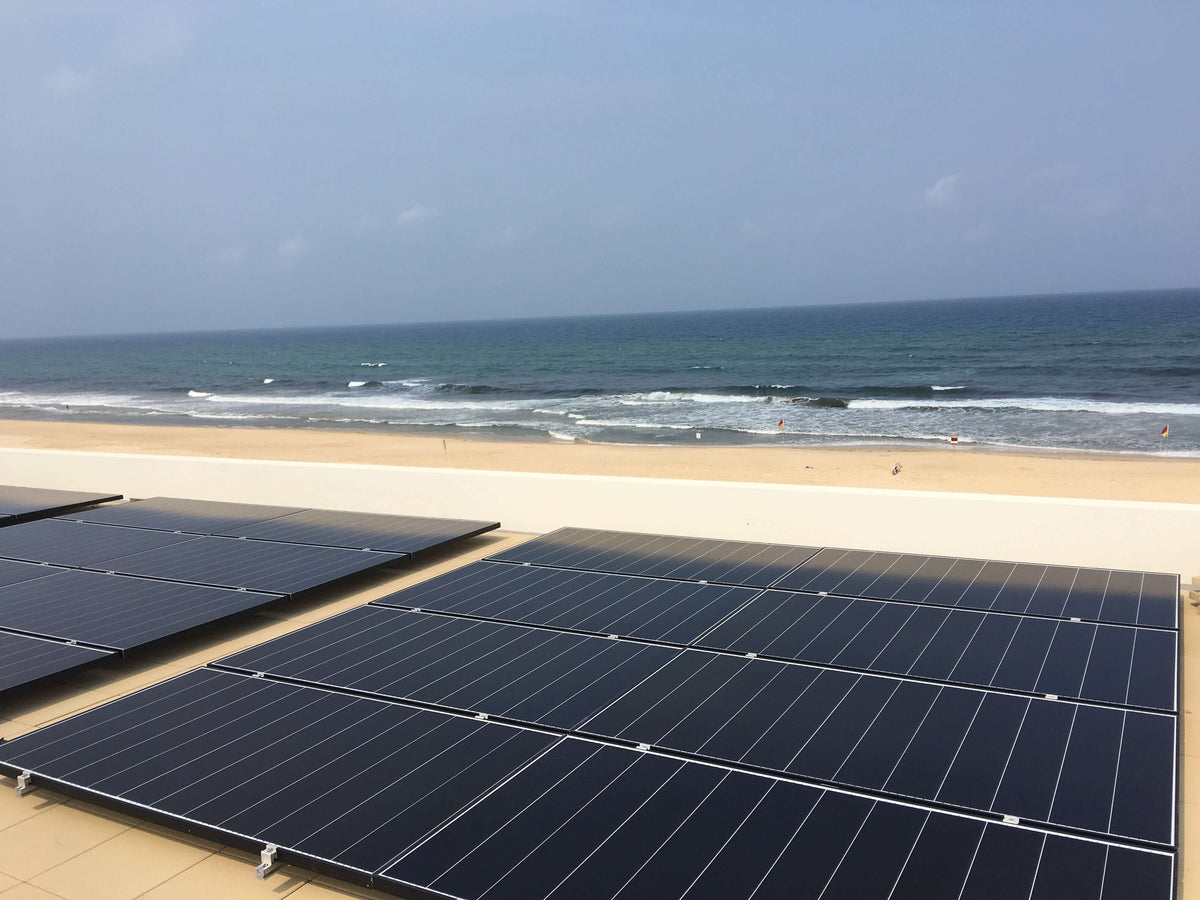
For years, the question for Victorian households was whether to put panels on the roof. In 2026, the more useful question is how much of that solar electricity you actually use. Solar power Victoria customers now have a state rebate, a feed-in tariff and, from 1 October, a new free-power window to factor into the decision.
What Is Changing In Victoria's Solar Market In 2026?
The big shift is from exporting solar to using it. Export payments are modest, while electricity bought from the grid in the evening costs far more. So the focus has moved to self-consumption: running appliances while the sun is out, monitoring where your power goes, and in some cases storing surplus. Batteries are one tool for that, but they're only part of the picture.
Technology is also improving. Panels convert more sunlight into electricity, inverters and monitoring are smarter, and systems are better at coordinating with appliances, EV chargers and the grid. That's a big part of what solar technology Australia-wide is now delivering.
Are Solar Panels Still Worth It In Victoria?
For most households with reasonable daytime or afternoon usage, yes, but the answer depends on your circumstances. The main factors are:
- how much electricity you use, and when
- system size and roof orientation
- your retail electricity rates
- your export arrangements
- how much solar you use on-site rather than export
A household that's out all day and exports most of its generation will see less benefit than one that works from home or runs a pool pump and air conditioning in the daytime. Solar panels Victoria homeowners get the best results when the system is sized to their actual usage rather than to the biggest roof layout possible.
Businesses often have an advantage because they typically use the most power during daylight hours. That's why commercial solar Victoria projects can make sense even where the roof is large and the export rate is low.
What Solar Rebates and Incentives Are Available In Victoria?
The main state incentive is the Victorian solar PV rebate, currently up to $1,400, subject to eligibility and programme requirements. It's applied as a discount on eligible systems through Solar Victoria. Criteria such as property type and household circumstances apply, so check Solar Victoria's current guidelines before signing anything, as programme settings can change.
The headline "free solar panels Victoria" gets searched a lot, but it's misleading. The rebate reduces the upfront cost; it doesn't cover the whole system. Any offer that sounds entirely free is worth reading closely, including finance terms and what's actually installed.
The solar panels rebate Victoria households can claim sits alongside federal support for solar and batteries, which has also changed over time. Together, these make up the solar power incentives Victoria residents should check when comparing quotes.
How Does The Solar Feed-In Tariff Work In Victoria?
A feed-in tariff is what your retailer pays you for surplus solar electricity you send back to the grid. Rates vary by retailer and plan, and they're usually much lower than what you pay to buy electricity. This is why export income is only one part of the value of a system.
When comparing solar power feed-in tariffs Victoria offers, look at the whole plan rather than the export rate alone. A plan with a generous feed-in rate but high evening usage charges can cost more overall than one with a lower export rate and cheaper everyday rates.
What is the Victorian Midday Power Saver?
The Midday Power Saver is a Victorian Government initiative that began on 1 October 2026. Eligible households with a smart meter can opt in through their retailer to get electricity at zero cost between 11 am and 2 pm. It isn't automatic, and there's a daily fair-use cap.
The catch is that rates outside the free window can be higher, so it suits households that can shift usage into those hours. For people with solar, the picture is more nuanced. Your panels already cover much of your midday use, so the value comes from using a free grid supply while exporting less, or from pairing the window with a battery or EV charger. It's worth asking your retailer for a comparison against your current plan.
What Should You Look For In A Solar Power System?
When comparing solar power systems Victoria installers quote, look beyond the price per kilowatt:
- Panel quality and efficiency. Higher efficiency means more power from limited roof space, which matters on smaller Melbourne homes. Check degradation rates and performance warranties.
- Inverter and monitoring. You should be able to see generation and consumption clearly, not just a total on a meter.
- Energy management. Can the system shift loads, coordinate with an EV charger, or work with a battery later?
- Warranties. Look at who stands behind the product and the workmanship, and for how long.
- Suitability. Shading, roof type and your switchboard all affect performance.
- Future needs. Think about an EV, heat pump hot water or a battery in a few years. Choosing compatible equipment now avoids costly rework.
Why Consider REA Power?
REA Power is a solar and battery technology company serving customers across Australia and the UK/EU market. Its focus is on system quality, efficiency and energy management, the same factors that determine how much value you get once the system is on your roof. Its experience across different markets also gives it a view of how tariffs and technology are evolving beyond Victoria.
Talk to REA Power
If you're comparing options for solar power Melbourne wide or elsewhere in Victoria, REA Power can walk you through solar and battery technology for your home or business. Call 1300 360 047 or visit the contact page at https://reapower.com.au/pages/contact. When you're ready to arrange installation, REA Power works with Melbourne Power Partners Lightning Energy and Sapphire Solar.
Become a Power Partner
Are you a solar installer in Victoria or elsewhere in Australia? REA Power is always looking to grow its Power Partner network. Call 1300 360 047 or get in touch at https://reapower.com.au/pages/contact to find out more.
FAQs
Is solar still worth it in Victoria?
For most households and businesses with solid daytime usage, yes. The value depends on your usage, system size, electricity rates and how much solar you use on-site.
Who is eligible for the $1,400 solar rebate in Victoria?
The rebate is up to $1,400, subject to eligibility and programme requirements. Criteria apply, so check Solar Victoria's current guidelines to confirm your situation.
What solar incentives are available in Victoria in 2026?
The main one is the Victorian solar PV rebate of up to $1,400. Federal programmes may also apply, and you can earn feed-in credits for exported electricity.
How does the solar feed-in tariff work in Victoria?
Your retailer pays you for surplus solar sent to the grid. Rates vary by plan, so compare the whole offer rather than the feed-in rate alone.
What is the Victorian Midday Power Saver and how does it affect solar customers?
It's an opt-in tariff offering free electricity from 11 am to 2 pm for eligible smart meter households, from 1 October 2026. Rates outside that window may be higher, so it suits those who can shift usage.
What should I consider when choosing a solar power system in Victoria?
Consider panel efficiency, inverter quality, monitoring, warranties, roof suitability and compatibility with future needs like a battery or EV.

Zostaw komentarz
Ta strona jest chroniona przez hCaptcha i obowiązują na niej Polityka prywatności i Warunki korzystania z usługi serwisu hCaptcha.