
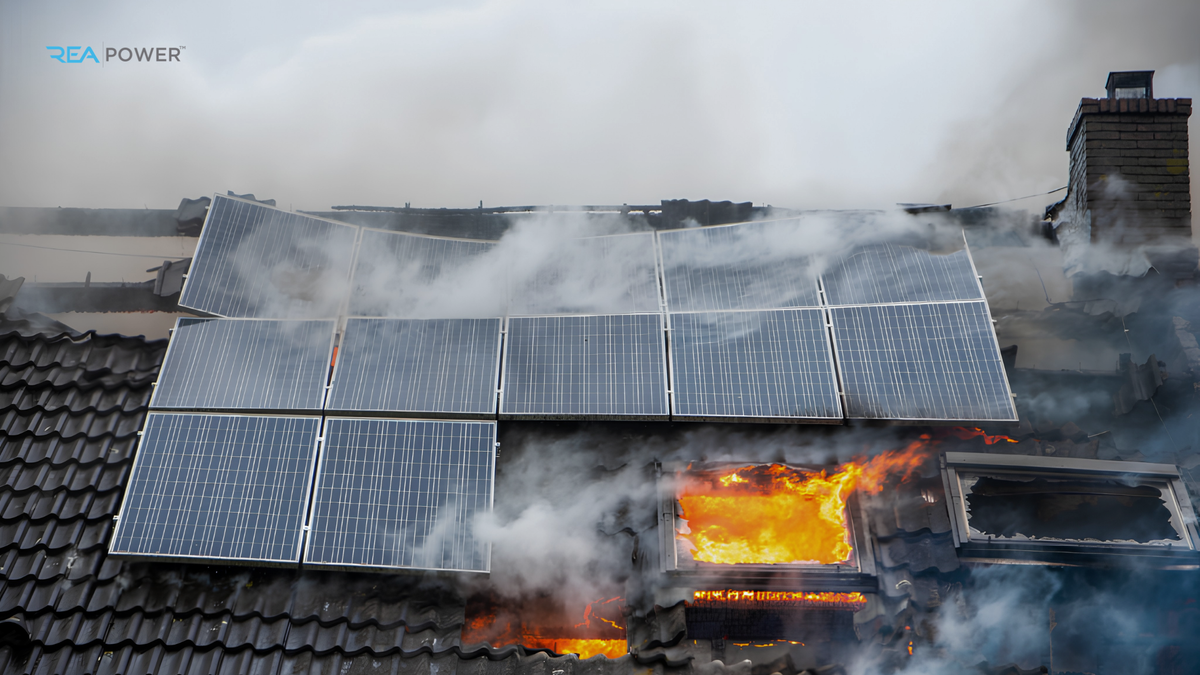
Solar PV fires are uncommon, but recent UK data gives us a useful look at where problems are actually showing up in photovoltaic and battery systems. The short version: DC cabling and connectors were the most commonly identified cause in the QBE’s UK data, while solar modules accounted for a smaller share.
What The QBE Data Actually Shows
In August 2026, pv magazine reported on research from insurer QBE that reviewed UK fire service data. The findings reported 212 fires linked to photovoltaic systems in 2025, up from 91 in 2022, a 133% increase over three years, against a 52% increase in installed PV systems over the same period. That difference between fire growth and installation growth is worth noting, but it needs some context before drawing conclusions.
Of the 2025 cases where a cause could be established, 49 were attributed to DC cabling and connectors, 36 to solar modules, 23 to battery storage systems and 19 to inverters, together accounting for 127 of the 212 recorded fires. QBE was also clear that the overall number remains relatively low against the size of the UK's installed PV base, which has grown substantially over the same period.
The figures are worth looking at, but they don’t tell the whole story. The number of reported fires has increased, but so has the number of solar systems installed. That means the data doesn’t necessarily show that an individual solar system is now more likely to catch fire. It shows that more incidents were recorded, but not whether the overall fire risk per system has increased.
What Causes Solar PV Fires?
Solar panel fire events generally originate at one of four points: DC cabling and connectors, the modules themselves, the inverter, or increasingly, the battery. Each has a distinct failure pathway.
DC Cabling and Connectors are the most commonly identified cause in the QBE data, which lines up with what the industry has understood for years. DC circuits in a PV system typically run at higher voltages than the AC side of the home, and a poor connection, an incompatible connector pairing, or cabling degraded by UV exposure, vermin, or mechanical stress can develop resistance at the joint. A poor connection can develop resistance, which creates heat. When that happens at a DC connection carrying current for long periods, the heat can become a genuine fire risk.
Solar Modules are involved in a smaller but still significant share of cases, stemming from manufacturing defects such as poor cell soldering or insulation faults, physical damage from hail or falling debris, or degradation over a long service life. A solar panel catching fire without an underlying fault, defect or damage is uncommon. When modules are involved in a fire, possible factors include defects, physical damage, or faults at a junction box or connection.
Inverters convert DC to AC and dissipate real heat while doing it. Fires linked to inverters can involve internal component failure, installation issues, or poor thermal management at the installation site. Battery storage systems, discussed below, have a different risk profile again.
Are Solar Panels A Common Cause Of Fires?
No. Even within the UK data, DC cabling and connectors outrank modules as an identified cause, and PV-related fires of any kind remain a small fraction of total electrical fire incidents. The more accurate framing is that PV systems, like any electrical installation carrying meaningful current over decades, have known weak points, and those points are largely addressed through correct component selection, installation practice and maintenance.
Can Faulty DC Connectors Cause A Solar Fire?
Yes, and the QBE data supports this as the leading identified cause among UK cases. Faulty DC connectors typically become a fire risk through poor mating (connectors from different manufacturers that superficially fit but aren't genuinely compatible), incomplete crimping or termination, or connectors exposed to weather and UV without adequate protection over the system's lifespan. Because DC arc faults can be harder to detect and extinguish than AC faults, connector quality and installation discipline carry outsized importance relative to their cost.
Solar Battery Fire Risk And Why It's A Separate Conversation
Solar battery fire risk doesn't map neatly onto panel or connector risk, because batteries store energy rather than simply passing it through, and a fault in a lithium-based system can develop and escalate differently to a fault in a cable run. The QBE figures attribute 23 of the 212 UK cases to battery storage systems, a meaningful share given how much more recently batteries have entered the residential market compared with panels and inverters.
As home and commercial battery storage scales up in both Australia and the UK, batteries are becoming a larger share of the overall PV-plus-storage safety conversation, not because the technology is unusually hazardous, but because installed volumes are growing quickly from a smaller base and installation practices are still maturing across the industry. Battery safety depends heavily on cell and pack quality, thermal management design, installation location and clearances, and integration with the rest of the system.
There isn't a reliable, publicly verified list of specific battery products involved in fire incidents, and it wouldn't be responsible to speculate on brands. What the data does reinforce is the importance of product quality, correct installation and system design when assessing battery safety.
Can Solar Panels Catch Fire In Extreme Heat?
This is worth answering carefully, because heat and fire risk are often conflated. Operating in high ambient temperatures is a normal, designed-for condition for PV modules and inverters — components are rated for the temperature ranges of the markets they're sold into, including hot Australian summers. Extreme heat on its own doesn't typically cause a properly installed, well-maintained system to catch fire.
What heat can do is add stress to a component or connection that already has an underlying weakness. A DC connection with existing resistance runs hotter under high ambient temperatures and heavy load, which can bring a marginal fault to a head sooner than it otherwise would. In that sense, heat is better thought of as something that can worsen an existing fault than as an independent cause of fire.
How PV Fire Risks Can Be Reduced
The QBE data, read as an industry signal rather than a headline, points toward a fairly consistent set of priorities:
- Component compatibility, particularly matching DC connectors correctly rather than assuming interoperability
- Installation discipline around cable runs, terminations and torque specifications
- Correct sizing and thermal management for inverters and battery enclosures
- Battery installation location, clearances and system integration, given how quickly this segment is growing
- Periodic inspection and maintenance across the operational life of a system, not just at commissioning
None of this is about avoiding solar or battery storage. It's about recognising that fire risk concentrates at specific, identifiable points in a system rather than being spread evenly or inherent to the technology itself.
What This Means For Manufacturers, Installers And System Owners
For manufacturers, the data reinforces the value of connector standardisation and rigorous quality control, since cabling and connectors dominate identified causes. For installers, it underlines that termination quality and correct component pairing matter as much as which brand is on the quote. For system owners, it's a reminder that a PV and battery system is a long-lived electrical asset that benefits from periodic checks, not a fit-and-forget appliance.
Solar PV Fires in Australia
Australian figures also highlight the role that DC isolators can play in solar-related fires. ABC News compiled state-by-state figures showing an increase in fires linked to these switches during the 2022–2023 period. In Victoria, fires attributed to DC isolators rose from 15 to 27, while Queensland, Western Australia and the Northern Territory also recorded incidents.
Energy Safe Victoria has also identified maintenance as an important part of the issue. Its investigations found that moisture affecting DC isolators was a major cause of solar PV system fires, while the regulator has highlighted a lack of routine servicing as a contributing factor.
What this shows is that fire safety isn't just about the solar panels themselves. DC isolators and other electrical connection points can become a source of faults when they are poorly installed, damaged or exposed to moisture. For more practical guidance on solar panel safety, see our guide to Solar Panel Safety: What Homeowners Need to Know. Using compliant equipment, having the system installed correctly and keeping it properly maintained can all help reduce these risks.
Why REA Power's Approach To System Safety Matters
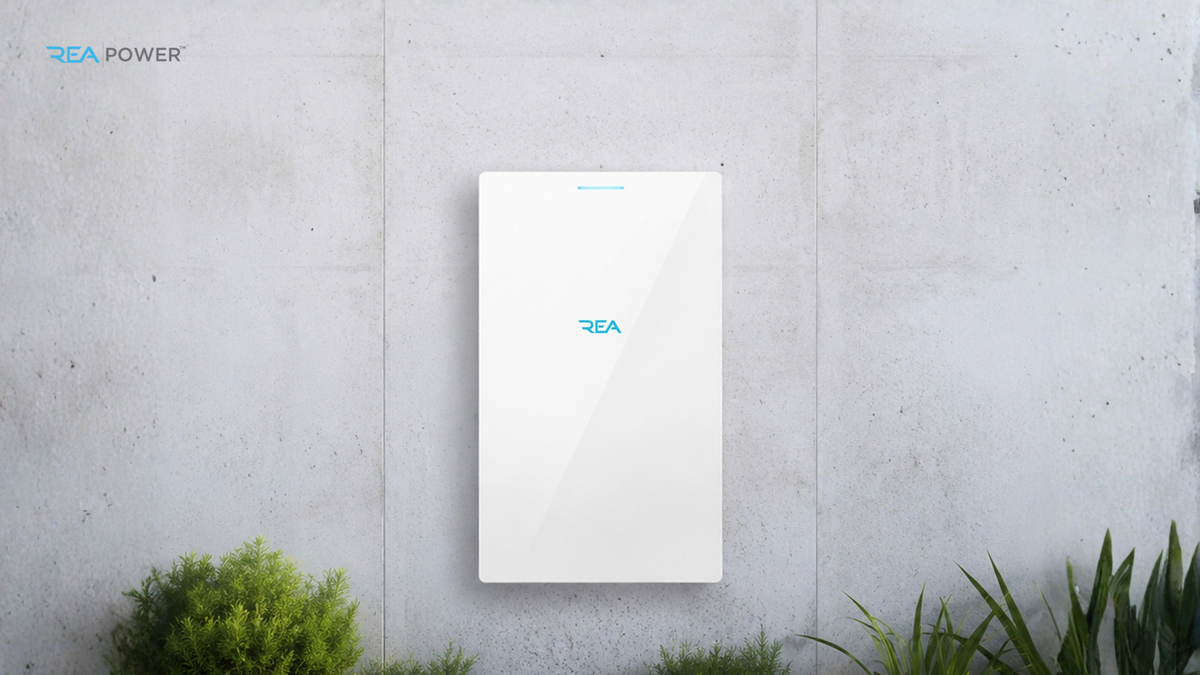
REA Power designs and manufactures solar panels and battery storage systems for the Australian and international markets, working through a network of installer partners rather than installing directly. That means safety isn’t something we see as belonging to one component alone. Module quality, connector compatibility, battery design, documentation and how the system is specified all play a part before a partner installer even gets to the installation stage.
In the UK, REA Power also works with installer partners including HSEnergy and Cobolt Blue Energy.
Looking for Solar and Battery Solutions?
Whether you’re planning a residential or commercial project, get in touch with REA Power to learn more about our solar panels and battery storage systems and discuss your requirements.
Call 1300 360 047 or visit our contact page to get started.
Explore a Partnership with REA Power
If you’re a solar installer or energy professional, explore what becoming an REA Power partner could look like. Talk to our team about our product range, partner network and available support.
Call 1300 360 047 or visit our contact page to learn more.
FAQ
What causes solar PV fires?
DC cabling and connectors were the most commonly identified cause in the QBE UK data, followed by solar modules, battery storage systems and inverters. Installation faults, damaged components and poor connections can all contribute to fire risk.
Can solar panels catch fire in extreme heat?
Not usually from heat alone. High temperatures are a normal operating condition for PV systems, but heat can put additional stress on a component or connection with an existing fault.
Are solar batteries a fire risk?
They carry a fire risk, like other energy storage technologies, but that doesn’t make them inherently unsafe. Battery safety depends on factors including product design, installation, location and system integration.
Are solar PV fires common?
No. PV fires remain uncommon compared with the number of systems installed, although the QBE data highlights specific areas where failures can occur.
Can faulty DC connectors cause a solar fire?
Yes. Poorly made, incorrectly terminated, or incompatible DC connections can create resistance and heat, making them an important fire-risk point in a PV system.

Zostaw komentarz
Ta strona jest chroniona przez hCaptcha i obowiązują na niej Polityka prywatności i Warunki korzystania z usługi serwisu hCaptcha.