
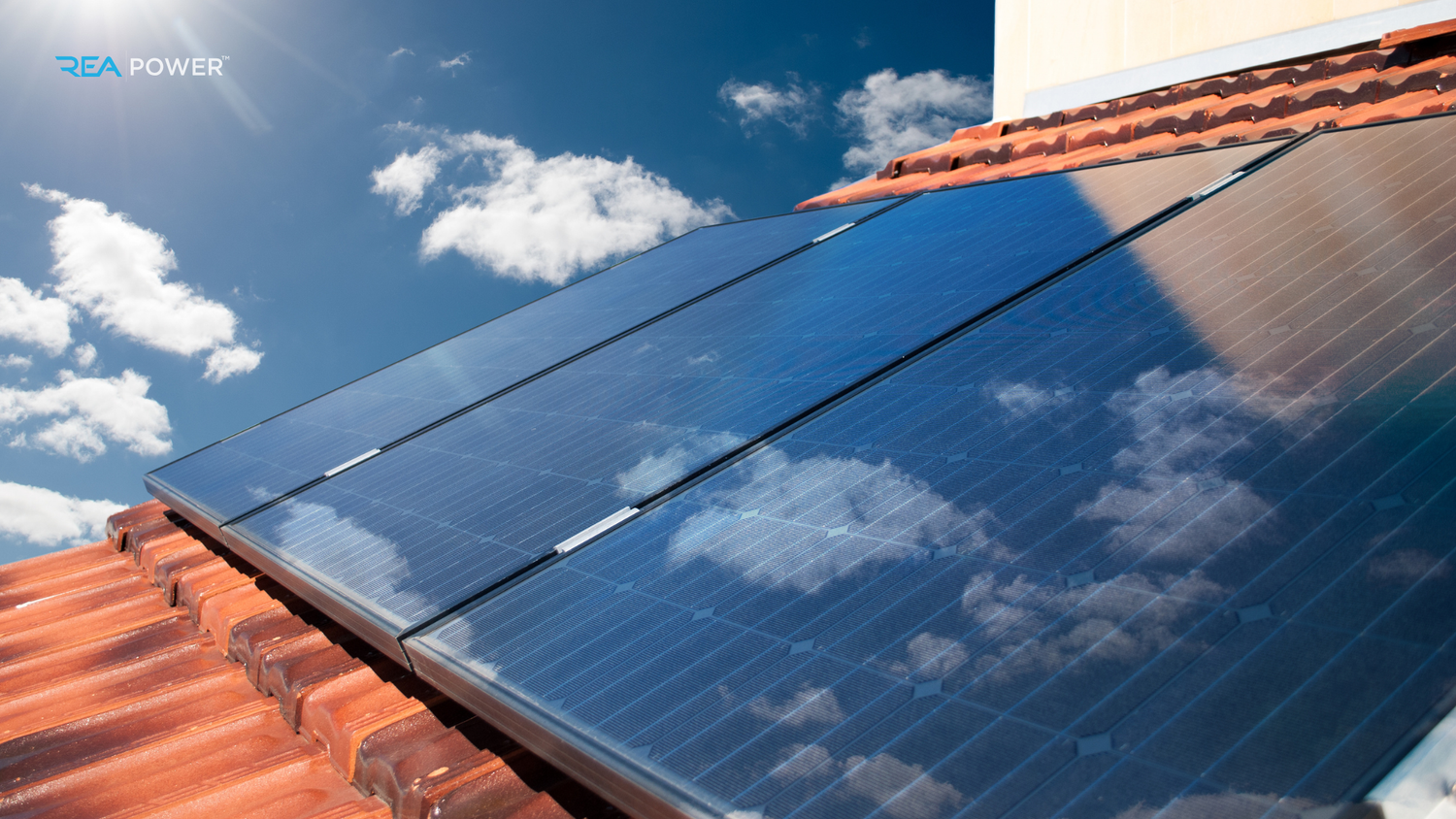
Understanding the summer impact on AC module performance is essential for anyone investing in solar energy across Australia, the UK, or the EU.
During summer, solar systems are exposed to high temperatures, rooftop heat build-up, and extended peak sunlight hours. While this may sound ideal for energy production, the reality is more complex.
Solar panels do not simply produce more power in hotter conditions. In fact, excess heat reduces efficiency, making system design and technology selection critical.
What Is the Summer Impact on AC Module Performance?
The summer impact on AC module systems refers to how high temperatures affect solar panel efficiency, output stability, and long-term performance during peak heat periods.
Across major REA Power markets:
- Australia experiences extreme rooftop temperatures (60–70°C)
- Southern EU regions face prolonged heatwaves
- UK summers are milder but still cause efficiency fluctuations
Even though sunlight is stronger in summer, excessive heat leads to performance losses across all solar technologies.
Heat Loss Explained: Why Solar Panels Reduce Output in Summer
A key factor in the summer impact on AC module efficiency is the temperature coefficient.
Solar panels are tested at around 25°C, but rooftops regularly exceed this in summer.
Here’s what happens:
- As temperature increases, voltage decreases
- Lower voltage leads to reduced power output
- Efficiency drops during peak midday heat
Typical performance loss rates:
- Standard panels: ~0.38% loss per °C
- High-efficiency panels: ~0.30% loss per °C
This means that during peak summer conditions in Australia or Southern Europe, solar systems can experience noticeable energy losses despite high sunlight availability.
Why AC Modules Handle Summer Impact Better Than Traditional Systems
The summer impact on AC module systems is significantly reduced compared to traditional string inverter systems.
Traditional solar systems rely on a central inverter, meaning:
- One underperforming panel reduces system output
- Heat stress affects the entire array
- Efficiency drops are amplified during peak summer hours
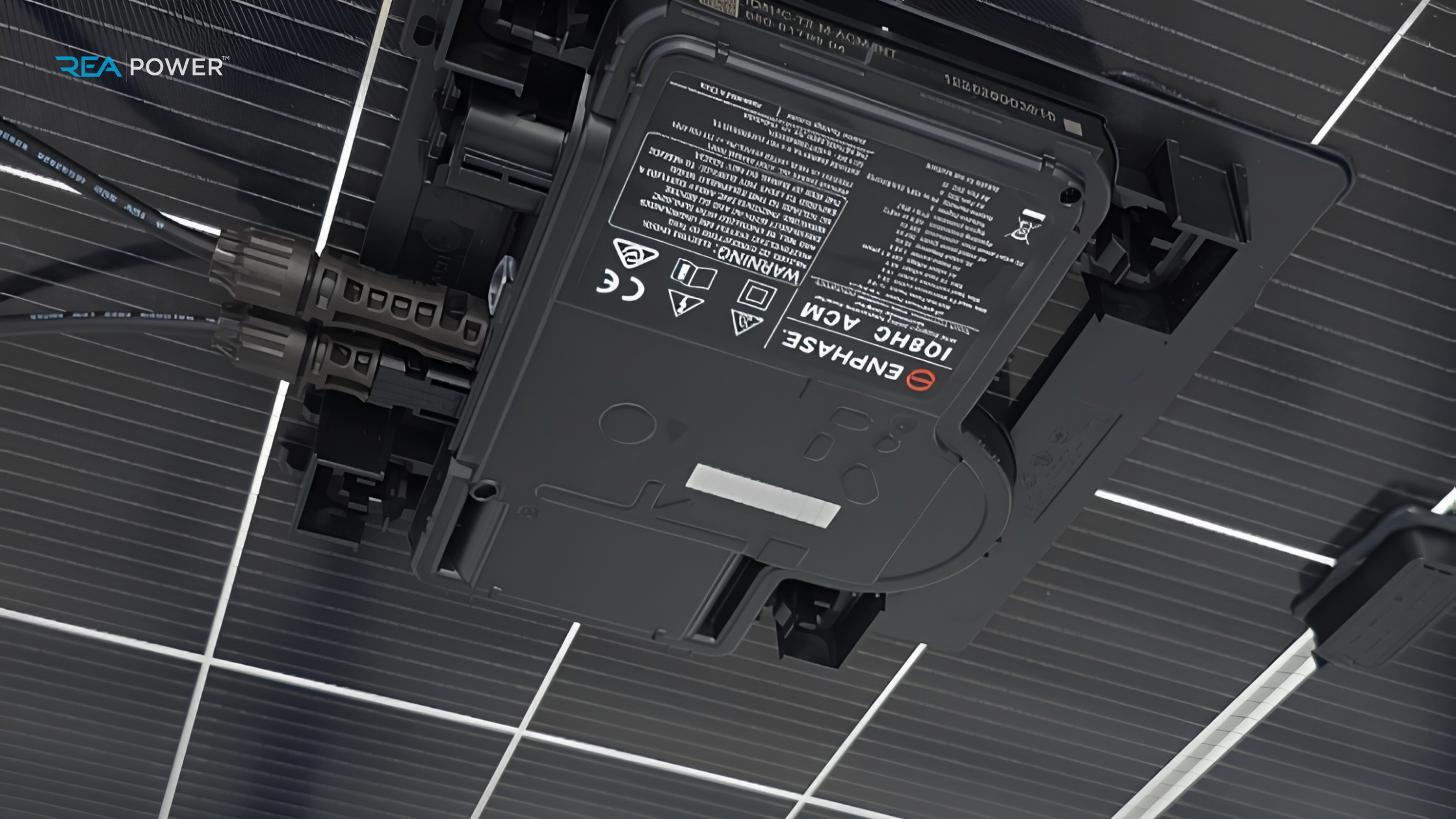
In contrast, AC modules use microinverters on each panel, allowing independent operation.
Key advantages during summer:
- Each panel operates independently under heat stress
- No system-wide performance drop from a single hot panel
- Improved energy stability during peak temperature hours
- Better real-world output in summer conditions
This makes AC modules especially effective in hot climates like Australia and Southern Europe, and more stable across variable conditions in the UK.
Humidity + Summer Heat: A Combined Performance Challenge
The summer impact on AC module systems is not just about heat—it also includes humidity.
Across REA Power regions:
- Australia: high humidity + coastal heat
- UK: damp summer conditions
- EU: mixed coastal and inland climates
Humidity intensifies summer heat effects by:
- Slowing panel cooling after peak sunlight
- Increasing internal moisture exposure risk
- Contributing to long-term material degradation in lower-quality systems
This combination of heat + humidity creates one of the most demanding operating environments for solar technology.
Why Temperature Coefficient Matters Most in Summer
A critical factor in understanding the summer impact on AC module performance is the temperature coefficient.
This metric determines how much efficiency is lost per degree of heat increase.
Example:
- -0.38% per °C = higher summer losses
- -0.30% per °C = better summer performance retention
Over long summer periods, even small differences in coefficient values result in:
- Higher daily energy output
- Better peak-hour performance
- More stable system efficiency
This is especially important in:
- Australia (extreme heat)
- EU (heatwave conditions)
- UK (short but fluctuating summer peaks)
Dual-Glass Technology and Summer Durability
Another factor influencing the summer impact on AC module systems is panel construction.
Modern AC modules often use dual-glass design, replacing traditional backsheet materials.
This improves summer performance by:
- Reducing heat stress on internal components
- Improving thermal stability during peak temperatures
- Minimising moisture-related degradation
- Extending system lifespan under harsh conditions
Dual-glass construction is particularly effective in regions with high UV exposure and seasonal heat cycles.
Real-World Summer Performance Across AU, UK & EU
The summer impact on AC module performance varies by region:
Australia
- Extreme rooftop heat
- High solar irradiance
- Strong demand for heat-resistant systems
EU (Southern regions)
- Long summer heatwaves
- High peak energy production with thermal losses
- Coastal humidity in many areas
UK
- Moderate heat but inconsistent sunlight
- Efficiency affected by rapid weather shifts
- High reliance on system stability over peak output
Across all regions, system consistency is more important than theoretical maximum output.
Why REA Power AC Modules Are Built for Summer Performance
REA Power designs AC module systems specifically to reduce the summer impact on AC module performance across diverse climates.
Their systems are engineered for:
- High heat resistance in Australian summers
- Stable output during EU heatwaves
- Reliable performance in variable UK conditions
Key engineering advantages include:
- AC module (microinverter) architecture
- Advanced thermal performance design
- Dual-glass durability
- Integrated energy storage compatibility
Summer Impact on AC Modules Is Real—But Manageable
The summer impact on AC module systems is unavoidable—but its effect can be significantly reduced with the right technology.
Traditional solar systems experience more noticeable efficiency drops in extreme heat, while AC modules maintain more stable output due to their independent panel architecture.
Across Australia, the UK, and the EU, this difference directly impacts:
- energy production
- system reliability
- long-term savings
Improve Your Solar Performance This Summer
If you want to reduce the summer impact on AC module performance and improve long-term solar efficiency, system design matters.
👉 Call 1300 360 047 to contact REA Power and learn more about AC modules and battery solutions
Better design leads to better performance—especially during peak summer conditions.

Zostaw komentarz
Ta strona jest chroniona przez hCaptcha i obowiązują na niej Polityka prywatności i Warunki korzystania z usługi serwisu hCaptcha.