
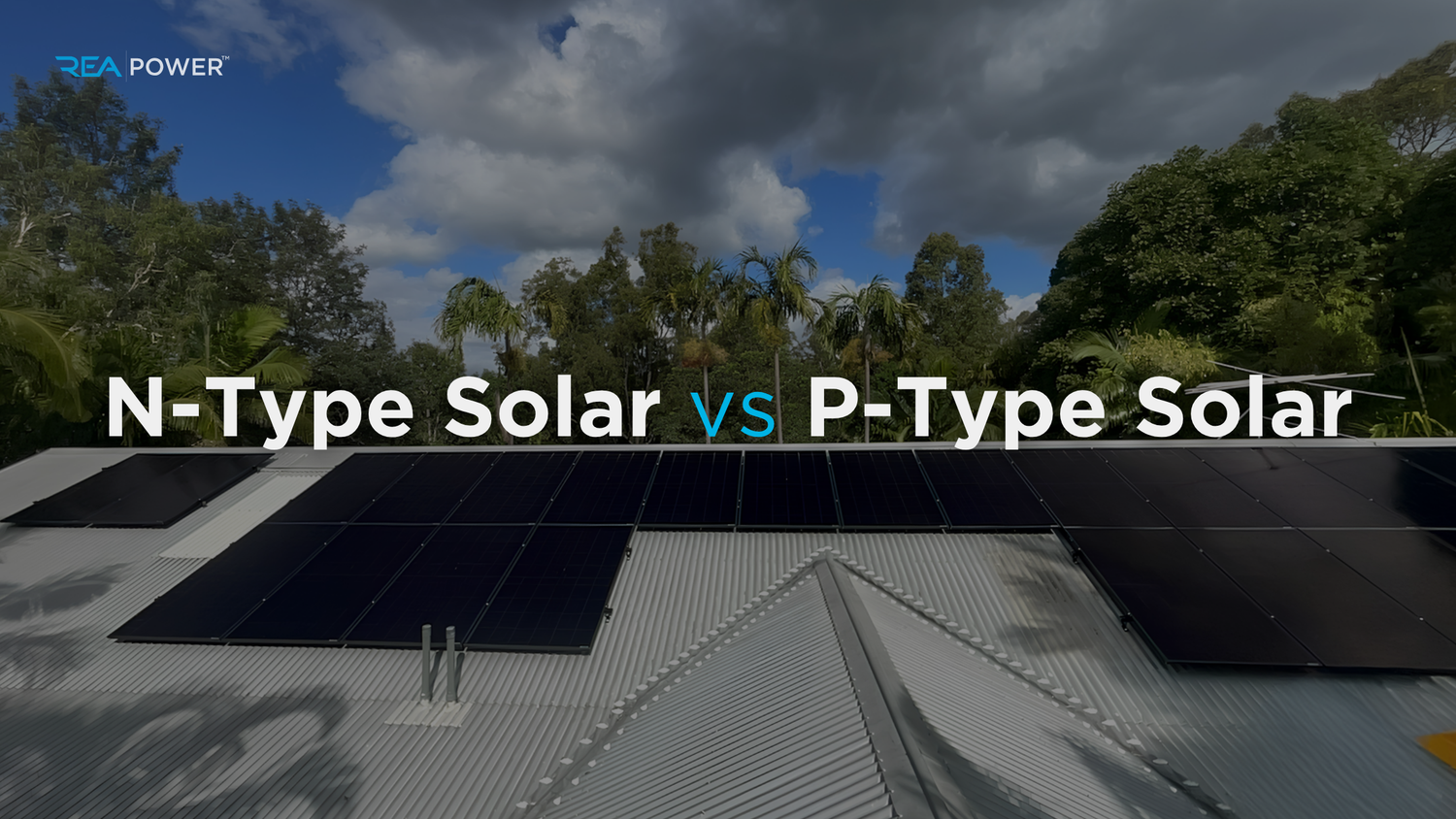
If you're comparing solar panels, an N-Type module will generally give you higher efficiency, slower degradation, and stronger performance in the heat and low light than most conventional P-Type panels. That said, the real-world result still comes down to the specific cell technology and manufacturer behind it. P-Type remains a solid, cost-effective option — but more homeowners, businesses, and developers are choosing N-Type for the extra lifetime energy and long-term value it delivers.
Why Cell Technology Matters
Price, wattage, and warranty are the easy things to compare. But the cell technology inside the panel is what actually decides how much electricity your system produces — not just this year, but over the next 25 to 30 years.
It shapes:
- How efficiently sunlight becomes electricity
- How the panel handles different weather
- How much power it loses each year
- How much energy it generates over its lifetime
N-Type modules have become the go-to for a lot of new installs because they generally perform better and last longer. But performance still depends on the specific technology at play — TOPCon, HJT, or back-contact — along with module design and manufacturer. P-Type panels are still widely used and still deliver reliably, so they remain a practical choice for plenty of projects.
Getting a handle on the difference helps you choose the right fit for your own energy goals.
Key Takeaways
- N-Type modules generally achieve higher efficiency than P-Type — though it varies by cell technology and manufacturer.
- N-Type degrades more slowly, holding onto its output for longer.
- N-Type typically performs better in the heat and in low light.
- P-Type usually costs less upfront and remains a proven, dependable technology.
- Which one's right for you comes down to budget, energy goals, and how long-term you're thinking.
What Is an N-Type Solar Module?
N-Type modules are built from phosphorus-doped silicon cells — a design that helps electricity move through the cell more efficiently, cutting down on energy losses.
One of N-Type's biggest strengths is its resistance to Light-Induced Degradation (LID), a common issue that can quietly eat into a conventional panel's output soon after it's installed.
Many modern N-Type modules also bring in extra technology on top:
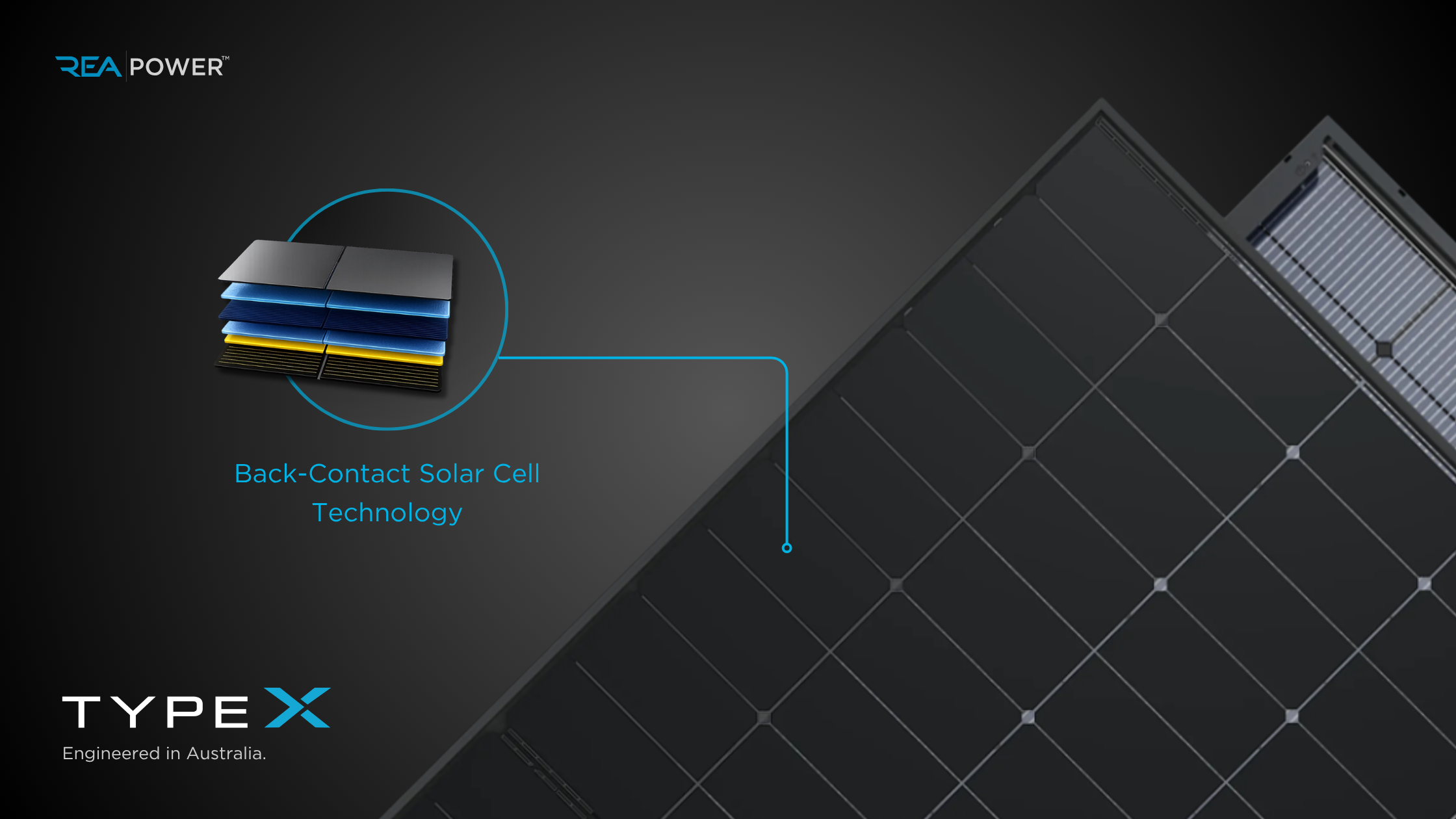
- Back-contact cell technology — known as FRC (Fusion Reverse Contact) in REA Power's FusionCell™ range — which moves electrical contacts to the back of the cell so nothing on the front gets in the way of the sun.
- Zero Busbar (0BB) architecture, replacing conventional busbars with smarter interconnection to improve current collection while letting more light through.
- Dual-glass construction, adding durability and protecting the cells from the elements.
Stacked together, these technologies push efficiency, reliability, and long-term output further than N-Type cells alone.
What Is a Conventional P-Type Solar Panel?
P-Type panels use boron-doped silicon cells — the technology that's powered the solar industry for decades and is still one of the most widely installed solar solutions on the planet.
P-Type earns its place because it:
- Delivers reliable performance
- Costs less upfront
- Has decades of proven results behind it
- Suits a huge range of residential and commercial jobs
It's still a solid option — but P-Type panels are generally more prone to Light-Induced Degradation and tend to lose a bit more output over time than modern N-Type modules.
N-Type vs P-Type Solar Panel: At a Glance
|
Feature |
N-Type Solar Module |
P-Type Solar Panel |
|
Cell material |
Phosphorus-doped silicon |
Boron-doped silicon |
|
Efficiency |
Generally Higher |
Good |
|
Light-Induced Degradation (LID) |
Very low |
Higher |
|
Annual degradation |
Lower |
Higher |
|
Performance in hot weather |
Generally stronger |
Good |
|
Low-light performance |
Generally stronger |
Good |
|
Lifetime energy production |
Generally higher |
Lower |
|
Typical upfront cost |
Higher |
Lower |
Note: Actual performance depends on factors including the specific cell technology (such as TOPCon, HJT, or back-contact/FRC), panel design, and manufacturer specifications.
Both technologies generate clean, renewable power — N-Type modules are simply engineered to hold onto more of that performance over the long haul.
Efficiency: Which Technology Produces More Power?
Efficiency is about how much of the sunlight hitting a panel actually turns into usable electricity.
N-Type modules generally come out ahead of conventional P-Type panels because they lose less energy along the way and often use newer cell designs. Actual efficiency still varies by manufacturer and technology — TOPCon, HJT, or back-contact (FRC) all play a part.
Higher efficiency translates into real benefits:
- More electricity from the same roof space
- Better use of tight installation areas
- More energy generated per year
- Potentially fewer panels needed overall
Efficiency still varies between brands and models — but N-Type technology is increasingly setting the bar for high-performance solar.
Degradation and Long-Term Performance
Every solar panel loses a little output as it ages. What separates the technologies is how fast that happens.
N-Type modules stand up well against boron-oxygen related LID and generally lose less output year over year than conventional P-Type panels — meaning they hold onto more of their original power for longer.
For system owners, that means:
- More consistent energy year after year
- Higher lifetime electricity generation
- Stronger long-term value
- More confidence in decades-long performance
Modern P-Type panels are still durable and dependable — N-Type technology is simply built to hold onto more of its day-one performance over the life of the system.
Temperature Performance
Every solar panel loses a bit of efficiency as it heats up. N-Type modules generally have a lower temperature coefficient, meaning they hold up better in hot weather than many conventional P-Type panels.
They also tend to perform well:
- Early morning
- Late afternoon
- Under cloud cover
- In lower-light conditions generally
That adds up to stronger annual output — especially in warmer climates or places with big seasonal swings.
Cost Considerations
P-Type panels are usually cheaper upfront, thanks to years of manufacturing at scale.
N-Type modules typically cost more to buy — reflecting the more advanced technology inside — though that price gap has been narrowing as manufacturing scales up.
When you're weighing your options, it's worth looking past the sticker price to total lifetime value. Higher efficiency, slower degradation, and more energy generated over the years can make an N-Type module the smarter long-term investment for many residential and commercial projects.
Where REA Power's Type X Technology Fits
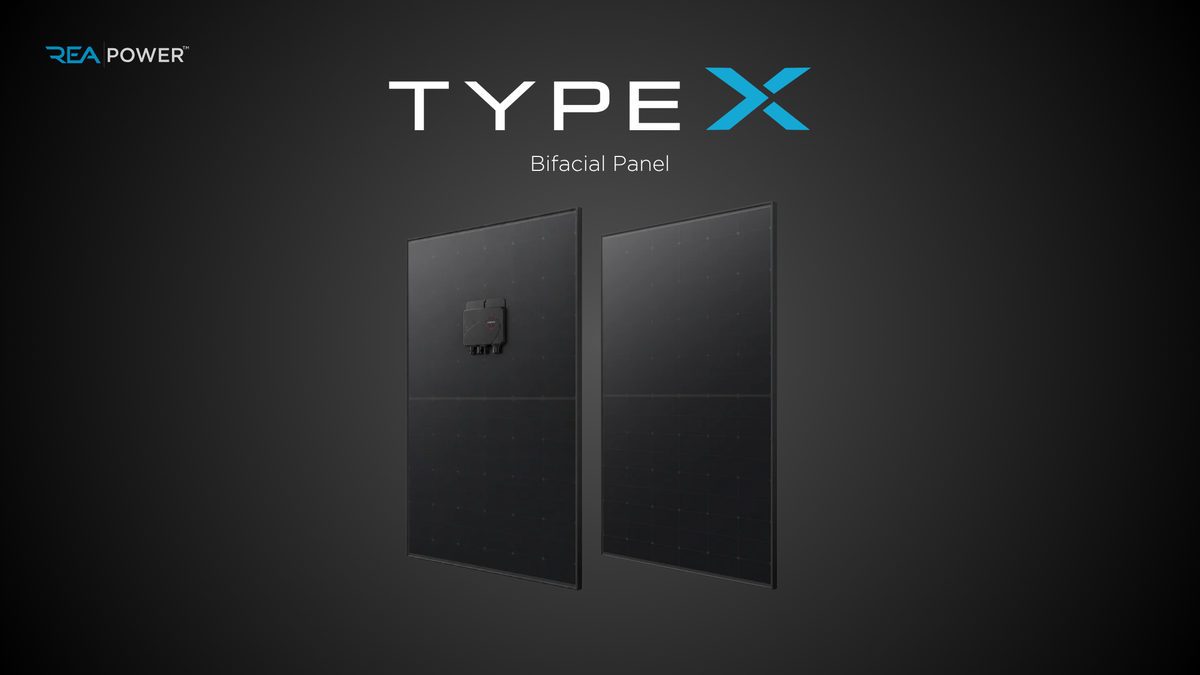
REA Power's Type X Solar Module is built on advanced N-Type cells and brings together several innovations under one roof — quite literally — to maximise efficiency, durability, and long-term performance.
Key features:
- N-Type solar cell technology
- Back-contact cell design (FRC)
- Zero Busbar (0BB) architecture
- Dual-glass construction
- High module efficiency
- Low annual degradation
- Long-term product and performance warranties
Together, Type X modules are engineered to generate more energy, cut electrical losses, and hold up reliably across residential, commercial, and utility-scale projects.
Why Trust REA Power as Your Solar Technology Manufacturer?
Choosing the right manufacturer matters just as much as choosing the right cell technology.
REA Power builds advanced solar modules and battery storage systems engineered for long-term reliability and performance, with a growing footprint across Australia, the UK, and Europe.
Choosing REA Power means:
- Advanced N-Type solar technology
- Ongoing product innovation
- Rigorous quality standards
- Long-term product reliability
- Solutions built for diverse climates and applications
Whether you're specifying for a large-scale project or upgrading your home system, REA Power builds the technology for today's energy demands — and tomorrow's.
Choosing Between N-Type and P-Type Solar Technology
Both technologies produce clean, reliable energy. But advances in N-Type design have made it the front-runner for buyers chasing higher efficiency, slower degradation, and more lifetime energy — while overall performance still comes down to the specific cell technology, module design, and manufacturer behind it.
As the cost gap keeps narrowing, N-Type is proving stronger long-term value across residential, commercial, and utility-scale projects alike.
Understanding the difference means you can pick the solar solution that actually matches your energy goals — now, and years down the track.
Ready to Learn More?
Looking for advanced solar technology built to perform for the long haul?
Explore REA Power's Type X Solar Modules and battery storage solutions, or speak with our team about your project.
Call us: 1300 360 047
Contact us: https://reapower.com.au/pages/contact
Frequently Asked Questions
What is the difference between N-Type and P-Type solar cells?
N-Type solar cells are made using phosphorus-doped silicon, while P-Type cells use boron-doped silicon. N-Type technology generally offers higher efficiency, lower degradation, and better performance in hot and low-light conditions. However, overall performance also depends on the specific cell technology, module design, and manufacturer.
Are N-Type solar panels better than P-Type?
For many applications, yes. N-Type solar modules typically generate more electricity over their lifetime due to higher efficiency and slower degradation. However, P-Type panels remain a reliable and cost-effective option for many projects.
Do N-Type solar panels degrade slower?
Yes. N-Type solar modules are highly resistant to Light-Induced Degradation (LID) and generally experience lower annual degradation than conventional P-Type panels, helping maintain higher energy output over time.
Are N-Type solar panels more expensive?
N-Type solar modules usually have a higher upfront cost because they use more advanced technology. However, their improved efficiency, lower degradation, and greater lifetime energy production can provide better long-term value.

Leave a comment
This site is protected by hCaptcha and the hCaptcha Privacy Policy and Terms of Service apply.