
Quick answer: A DC solar panel sends direct current to a separate string or central inverter, which converts it to usable AC power for your home. An AC solar module (also called a solar panel with a microinverter) does that conversion at the panel itself, sending ready-to-use AC power straight into your switchboard. The core difference comes down to one thing: where the inversion happens.
If you're comparing quotes or trying to work out which system suits your roof, that one distinction explains almost everything else — cost, performance in shade, monitoring, and how easy the system is to expand later. Here's the full breakdown.
How Traditional DC Solar Systems Work
Most solar installations in Australia still use standard DC panels paired with a string inverter or a central inverter. Each panel generates direct current (DC) electricity, and all the panels in a "string" are wired together in series. That combined DC output travels to a single inverter — usually mounted on a wall near your switchboard — which converts it into alternating current (AC) that your appliances and the grid can actually use.
This setup is well understood, relatively affordable, and it's what the majority of Australian installers are trained on. The catch is that a string inverter treats the whole string as one unit. If one panel underperforms — because of shading from a tree, a chimney, bird droppings, or even a slightly different roof angle — it can drag down the output of every other panel in that string. It's the classic "weakest link" problem.
How AC Modules With Microinverters Work
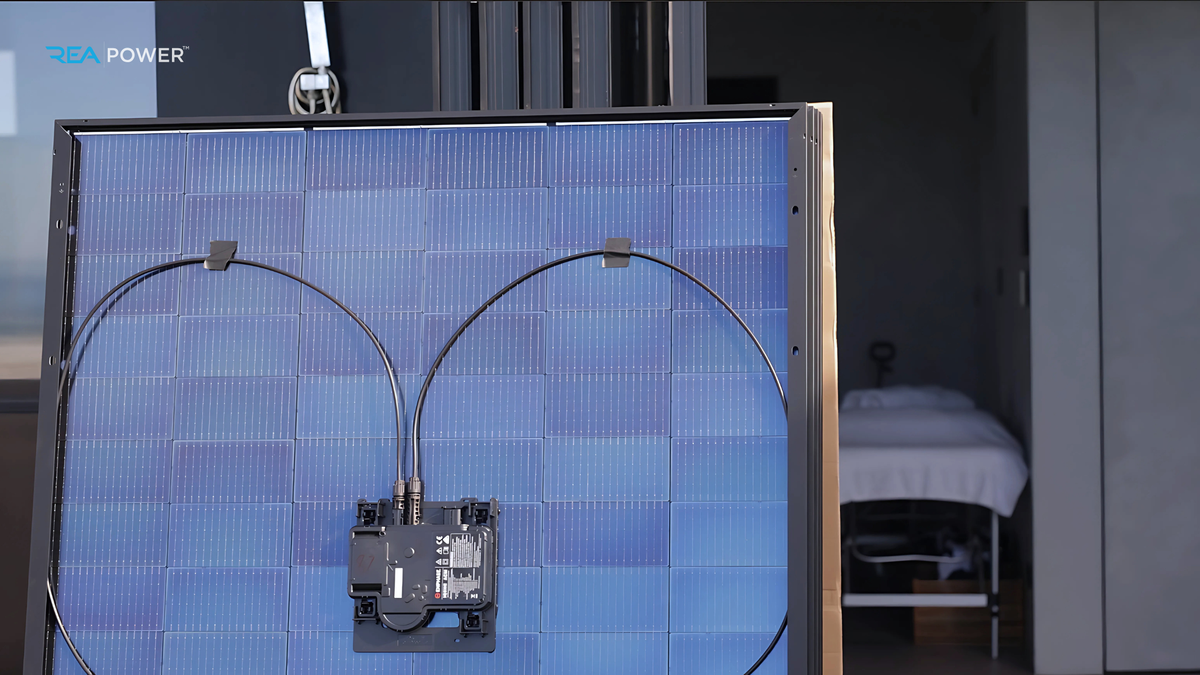
An AC solar module flips that process on its head. Instead of one central inverter handling the whole array, each panel has its own small microinverter attached to its frame. The DC-to-AC conversion happens right there, panel by panel, before the electricity ever leaves the roof.
Because each panel operates independently, one shaded or underperforming panel doesn't drag the rest of the system down. Every panel does its own job and reports its own numbers. For installers and buyers alike, that also means simpler wiring on some system layouts, since AC cabling can run directly rather than requiring the same DC string configuration.
Pros and Cons: Install Complexity, Monitoring, Shading, and Expansion
Install complexity. DC systems with a single inverter are generally quicker and cheaper to install on a straightforward, unshaded roof. AC modules involve more individual components (a microinverter per panel), which can mean more labour on install day, but often simpler cable runs and no separate inverter unit to mount and wire in.
Timing matters here too. If you're already renovating your kitchen or opening up walls elsewhere in the house, that's usually the easiest point to plan ahead for solar, since running any extra cabling or conduit while everything is already exposed costs far less than retrofitting it after the renovation is finished.
Panel-level monitoring. This is where AC modules clearly win. Because each panel has its own microinverter, you can see the real-time output of every single panel through the monitoring app, not just the array as a whole. That makes it far easier to spot an underperforming panel early, rather than noticing a vague drop in total output months later.
Shading resilience. If your roof has partial shade at any point in the day — from a neighbouring tree, an aerial, or a second storey — AC modules handle it noticeably better. Since panels aren't wired in series, a shaded panel affects only its own output.
System expansion. Adding panels later is generally simpler with AC modules, since each one is essentially plug-and-play into the existing AC circuit. Expanding a DC string system usually means matching the new panels' electrical characteristics to the existing string, or adding a separate string with its own inverter capacity.
Cost and Maintenance Comparison
Upfront, DC systems with a string inverter are typically the cheaper option, which is why they remain the default for straightforward residential installs. AC modules with microinverters usually carry a higher upfront cost, since you're paying for a microinverter on every panel rather than one central unit.
Where it evens out is maintenance and lifespan. String inverters are a single point of failure — if the inverter fails, the whole system stops producing until it's repaired or replaced, and inverters typically need replacing once or twice over a system's lifetime. Microinverters spread that risk out: if one fails, only that panel is affected, and most microinverters carry warranties matching or exceeding the panels themselves (commonly 20–25 years).
Which System Suits Which Property?
- Unshaded, simple roof, budget-focused: A standard DC system with a quality string inverter is usually the more cost-effective choice, and performs perfectly well.
- Roof with partial shading, multiple orientations, or a complex layout: AC modules generally deliver better real-world output because each panel is unaffected by its neighbours.
- Buyers who want detailed, panel-by-panel performance data: AC modules are the clear pick.
- Anyone planning to expand their system down the track — adding panels for a pool, EV charger, or battery — AC modules make that expansion more straightforward.
Neither option is universally "better" — it comes down to your roof, your budget, and how you want to monitor and grow the system over time.
Why Trust REA Power for Your Solar and Battery System
Choosing between AC and DC isn't just a technical decision — it's about who stands behind the equipment on your roof for the next two decades. REA Power designs, manufactures, and supplies solar panels and battery storage systems through a network of accredited installer partners across Australia, the United Kingdom, and Europe, so the same engineering standards and warranty backing apply whether your project is in Brisbane, Birmingham, or Berlin.
REA Power's panels and battery systems are built to meet the compliance and certification standards required across these different markets, so the specification sheet you're quoted is genuinely tested for the conditions it'll face — Australian heat, UK humidity, or European winters. Every system is backed by manufacturer-level warranties rather than a single installer's word, and REA Power's partner network means local support is available wherever the installation happens, without compromising the manufacturing standard behind the product.
For homeowners and installers comparing AC and DC options, REA Power's team can walk through which configuration suits a specific roof, shading profile, and budget — rather than defaulting to a one-size-fits-all recommendation.
Get in Touch
If you're weighing up AC versus DC solar panels for your home or business, REA Power's team can help you work out the right fit based on your roof and goals.
Call 1300 360 047 or get in touch via the REA Power contact page to speak with the team.
Frequently Asked Questions
What is the difference between an AC and DC solar panel?
A DC solar panel produces direct current that travels to a separate string or central inverter for conversion to AC power. An AC solar panel has a microinverter built into each panel, converting DC to AC right on the roof before it reaches your switchboard.
Are AC solar panels better than DC panels with a string inverter?
Neither is universally better. AC modules generally perform better on roofs with partial shading or multiple orientations, and offer panel-level monitoring plus easier system expansion. DC systems with a string inverter are typically cheaper upfront and remain a strong option for simple, unshaded roofs.
Do AC solar modules cost more than DC modules?
Yes, generally. AC modules cost more upfront because each panel includes its own microinverter, rather than the system relying on one central inverter. That cost can be offset over time by improved shading performance and reduced risk from a single point of inverter failure.
Can I mix AC and DC modules in the same solar system?
It's technically possible in some configurations, but it adds complexity to design, wiring, and monitoring, and isn't standard practice. Most installers recommend choosing one approach — DC with a string inverter, or AC with microinverters — for the full array to keep the system straightforward to install, monitor, and maintain.

Zostaw komentarz
Ta strona jest chroniona przez hCaptcha i obowiązują na niej Polityka prywatności i Warunki korzystania z usługi serwisu hCaptcha.