
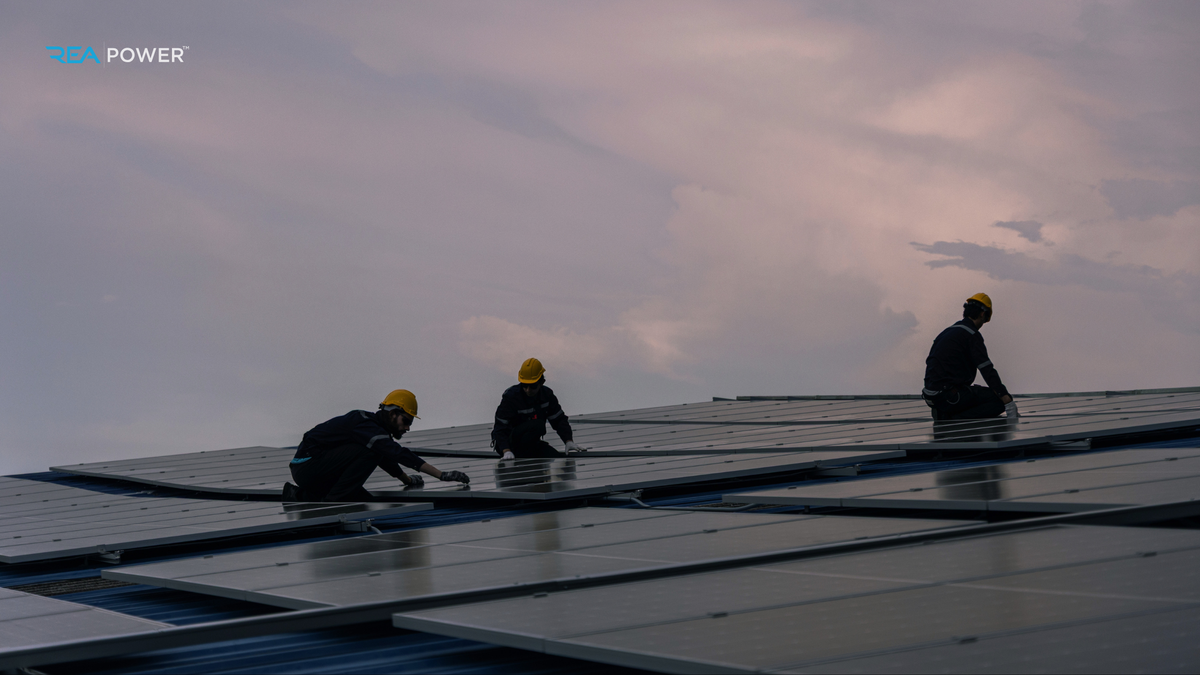
Perth gets some of the best sun in the country, and it shows in how many rooftops across the metro area now carry solar panels. But strong sun alone doesn't guarantee a good system. Roof orientation, shading, household electricity use, tariffs, export limits and battery plans all shape whether a solar investment actually pays off — and getting these right matters more than simply fitting as many panels as possible on a roof.
Why Perth Suits Solar — With a Few Caveats
The Bureau of Meteorology's long-term solar exposure data confirms what most Perth residents already sense: the city has excellent conditions for solar generation across most of the year. Australia's Solar Consumer Guide recommends weighing a few practical factors before settling on system size — how much electricity a household actually uses, what tariff structure applies, whether the network allows full export, and whether a battery is part of the plan.
The goal for most Perth households isn't maximum panel count. It's a system that produces useful energy when the property actually needs it, works within local network rules, and holds up reliably through hot WA summers.
How Heat Affects Solar Performance in WA
Solar panels are tested under standard laboratory conditions, but real-world output shifts with temperature, weather, orientation, dirt and shading. The Australian Government's guide to how solar panels generate power spells out these variables in more detail, and they're particularly relevant in a climate like Perth's.
Panel technology matters here. Cell design influences long-term thermal stability, and construction choices like dual-glass panels can improve resistance to moisture and general environmental wear over time. When comparing products, it helps to look at projected lifetime generation under consistent assumptions rather than headline efficiency figures alone, and to read the actual written product and performance warranties rather than relying on marketing summaries.
Bifacial panels — which can capture some reflected light through the rear of the module — are worth understanding too. A light-coloured or reflective surface underneath the array can add a useful gain; a flush-mounted panel over a dark roof will see very little of that benefit. Bifacial performance should be modelled against the actual roof, mounting height, tilt and surface reflectivity for a property, not treated as a guaranteed percentage uplift.
Panel-Level Technology and Shaded Roofs
Many Perth roofs aren't simple single-orientation surfaces — they have multiple faces, and often some degree of shading from trees, neighbouring buildings or roof features. This is where panel-level electronics, such as AC modules with an integrated microinverter at each panel, can help: each module converts DC to AC independently rather than the whole array being governed by one central inverter and its weakest-performing panel.
It's worth being realistic about what this does and doesn't solve. No technology removes the effect of shade entirely — a shaded panel will still produce less than an unshaded one. What panel-level electronics can do is stop that shaded panel from dragging down the output of every other panel in the string. Good outcomes still come down to an accurate site assessment and realistic modelling before installation, not the electronics alone.
Batteries and WA Connection Rules
A home battery stores surplus daytime solar generation for use later — in the evening, overnight, or during an outage if the system supports backup. Whether a battery makes financial sense depends on a household's electricity use patterns, tariff structure, battery size, how it's operated, and what backup capability (if any) is required.
Network rules are a genuinely important part of this conversation, and they're changing. The WA Government has announced new requirements for small-scale solar and battery systems, with changes taking effect from 1 May 2026. These requirements can differ between Western Power and Horizon Power areas, so it's worth confirming current connection, export-control and approval conditions for a specific property before finalising a system design.
Checks Worth Making Before Signing a Quote
A few practical steps protect against avoidable problems down the track:
- Confirm the exact panel and battery models, current datasheets and warranty terms in writing — specifications can vary between markets and even between production runs.
- Check proposed equipment against the Clean Energy Council's approved products lists.
- Verify that anyone responsible for regulated design and installation holds current accreditation and the relevant electrical licences.
- Ask how grid approval will be handled, what monitoring is included, and what happens if a panel or inverter component fails within the warranty period.
These checks also matter for eligibility under relevant government rebate and incentive schemes, which typically require accredited installers and approved equipment.
Choosing Solar and Battery Storage as a System
Solar, storage and monitoring work best when they're planned together rather than assembled from separate, unrelated components after the fact. A system designed as a whole — panels matched to the property's roof and consumption profile, battery sized to actual usage patterns, and monitoring that gives an accurate picture of performance over time — tends to perform more predictably than one bolted together piecemeal.
For homeowners and businesses in Perth weighing up solar, the practical starting point is a proper site assessment: usable roof area, shading across the day and seasons, switchboard condition, electricity consumption, and any future loads worth planning for now, such as an electric vehicle, a pool, or electric hot water.
Frequently Asked Questions
Is Perth a good location for solar power?
Yes. Perth has some of the highest average solar exposure of any Australian capital, according to Bureau of Meteorology data. Actual output still depends on roof orientation, shading and system design, but the underlying solar resource is strong for most of the year.
What's changing with WA's solar and battery connection rules?
The WA Government has announced new requirements for small-scale solar and battery systems, with changes taking effect from 1 May 2026. Rules can differ between Western Power and Horizon Power network areas, so it's worth confirming the current requirements for your specific property.
How does heat affect solar panel performance?
Panels are rated under standard laboratory conditions, but real-world output changes with temperature, dirt, shading and orientation. In a hot climate like Perth's, panel technology and installation quality both influence how well a system holds up over time.
What should I check before accepting a solar quote?
Confirm the exact equipment models and warranty terms in writing, check that the products appear on the Clean Energy Council's approved products list, and verify the installer holds current accreditation and electrical licensing.
Get a Local Quote in Perth or Adelaide
If you're based in Perth, Adelaide or the surrounding areas, REA Power's authorised local installation partners can provide a site-specific assessment and quote for REA Power's solar panel and battery solutions.
Always Solar services Rockingham and Perth's southern suburbs, while Middle Swan Solar covers Midland and the eastern suburbs. Both partners can help assess your energy needs and recommend a suitable REA Power system for your property.
Based in South Australia? In Adelaide and surrounding areas, Solar Power Direct is an authorised REA Power installation partner. They can assess your property and recommend a suitable REA Power solar and battery system.
For current contact details and the full range of REA Power solar and battery solutions, visit REA Power website.
Interested in Becoming an REA Power Partner?
Are you a solar installer or electrical business elsewhere in Western Australia? REA Power is continuing to expand its authorised partner network across Australia and welcomes enquiries from experienced local businesses.
To discuss partnership opportunities, call us on 1300 360 047 or get in touch through the REA Power contact page.

Zostaw komentarz
Ta strona jest chroniona przez hCaptcha i obowiązują na niej Polityka prywatności i Warunki korzystania z usługi serwisu hCaptcha.