
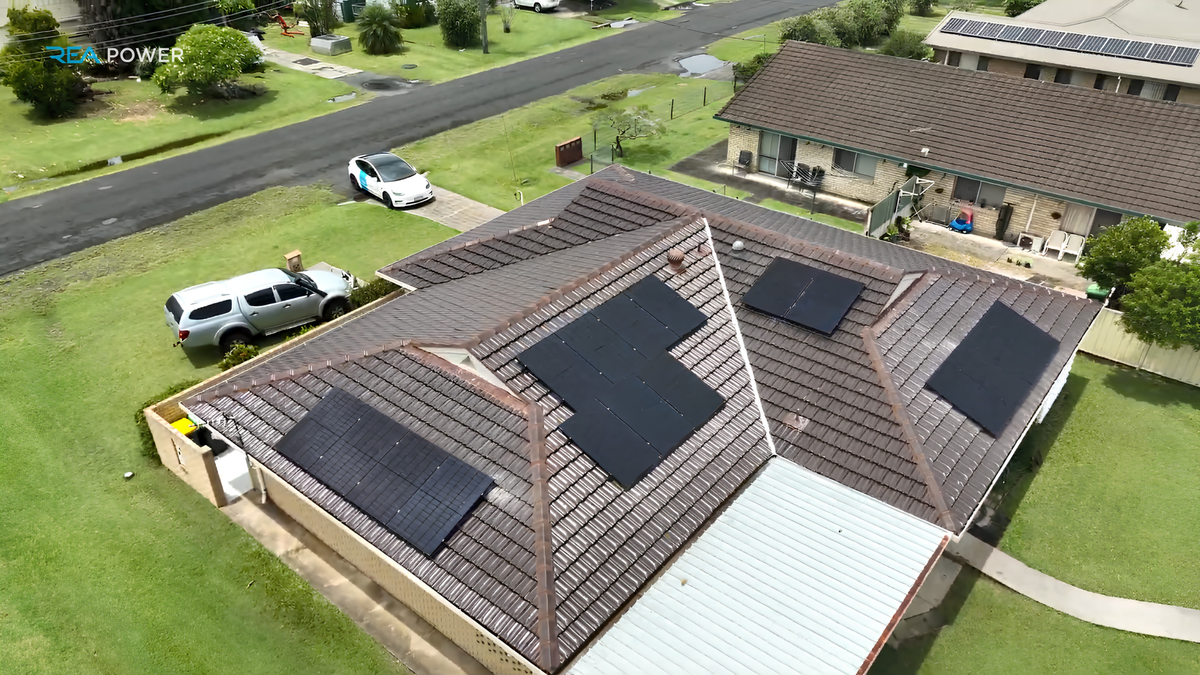
Newcastle is a strong market for rooftop solar. Homes and businesses across the region get good year-round daylight, and rising energy costs have made self-generated electricity increasingly attractive. But solar isn't a one-size-fits-all purchase — roof direction, pitch, shading, usable area and daytime consumption all shape what a system should actually look like on a given property, from a compact suburban home to a warehouse or a Hunter Valley acreage.
What Affects Solar Design in Newcastle
The Australian Government's Solar Consumer Guide recommends weighing system size, cost, potential savings, technology and installer quality together rather than in isolation. That's especially relevant across a region as varied as Newcastle and the Hunter, where coastal exposure, inland heat and dust, and very different roof types all come into play.
Solar output isn't fixed once a system is installed — it shifts with climate, weather, season, orientation, slope, shading and how clean the panels are. The Australian Government's guidance on how solar output varies is a useful reference point when comparing quoted generation estimates against real-world expectations. The Bureau of Meteorology's Newcastle climate data adds further context, though a proper site assessment should always guide final design rather than general averages alone.
Panel Technology Worth Understanding
Solar panel technology has moved on considerably from a decade ago, and a few terms are worth knowing when comparing options:
- N-Type cells are generally associated with better long-term stability and lower degradation over the life of a system compared to older cell types.
- Dual-glass construction protects cells on both sides of the panel, which can help with durability in exposed or coastal conditions.
- Bifacial design allows a panel to capture some light through its rear face where mounting height and surrounding surfaces allow — though the gain varies by site and isn't guaranteed.
- Back-contact cell architecture — REA Power's version is branded Fusion Reverse Contact (FRC), part of its broader FusionCell technology platform — moves electrical contacts to the rear of the cell, reducing front-side obstruction and can support higher efficiency for a given panel size.
For a property with limited usable roof area, higher-efficiency panels can help fit more generation capacity into the available space, subject to final design and structural assessment.
AC Modules and Shaded or Multi-Facing Roofs
Many Newcastle-area roofs aren't a single simple surface — some have multiple orientations, partial shading from trees or nearby buildings, or awkward roof features. This is where AC solar modules, which pair a solar panel with a microinverter built into every module, can be useful. Each panel converts DC to AC independently rather than the whole array being tied to a single central inverter.
This doesn't eliminate the effect of shade — a shaded panel will still generate less than an unshaded one — but it can stop that underperforming panel from dragging down the rest of the array's output. It also typically supports panel-level monitoring, so it's easier to see how each part of a roof is actually performing over time.
Choosing a Qualified Installer
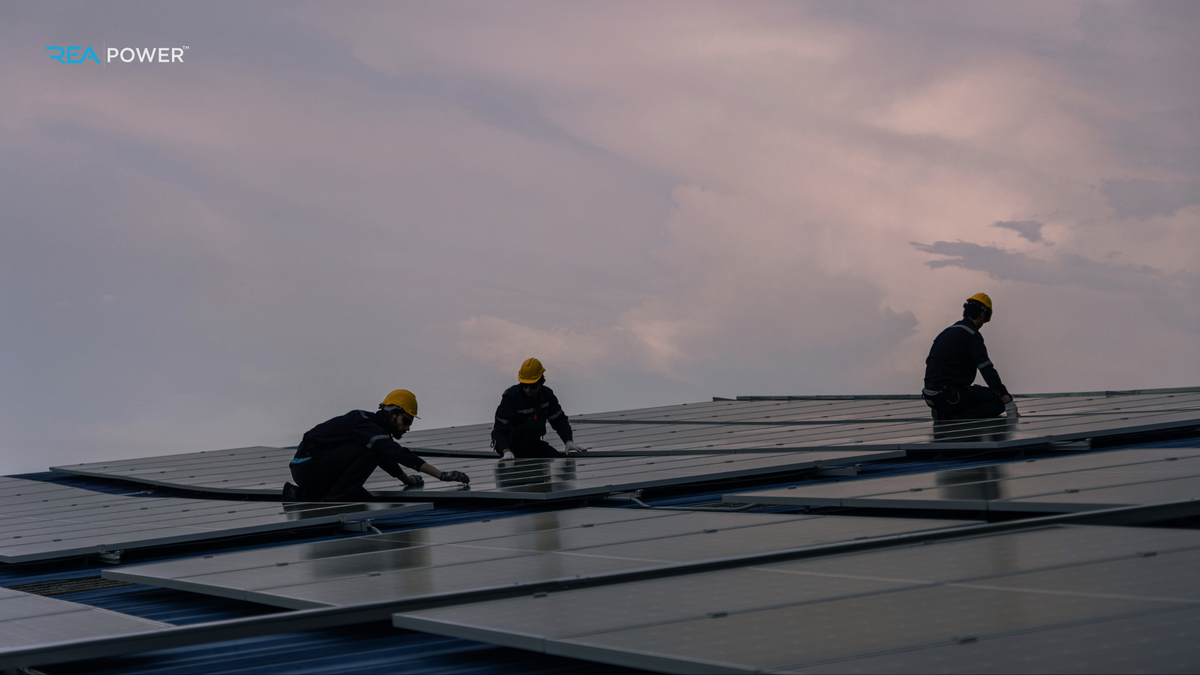
Good hardware still depends on sound design and installation. A qualified installer should be able to match the system to the roof, the property's electricity profile, the switchboard, applicable network rules, and any plans for a battery, electric hot water or EV charging down the track.
Before accepting a quote, it's worth confirming a few things:
- The installer holds all licensing and accreditation required for the work, and for any federal or state incentive scheme being claimed.
- The proposal names the specific panel and inverter models, not just a generic "premium panel" description.
- Estimated generation figures are based on realistic consumption and tariff assumptions for the property, not a generic template.
- Warranty terms, exclusions and after-sales support are set out in writing — for the panels, the inverter or microinverters, and any battery separately.
The Australian Government recommends comparing several detailed quotes from reputable retailers and installers rather than accepting the first offer, and checking exactly what's included before signing.
Batteries and Long-Term Planning
A battery stores surplus daytime solar generation for use later — overnight, during peak tariff periods, or as backup during an outage where the system supports it. A useful battery quote should explain usable capacity (as distinct from total capacity), how the battery is intended to operate day to day, backup capability, and compatibility with the rest of the system. As with panels, savings estimates should be built on realistic household consumption rather than best-case assumptions.
Frequently Asked Questions
Is Newcastle a good location for solar power?
Yes. Newcastle gets solid year-round daylight, and the region's mix of coastal and inland conditions generally supports good solar generation — though actual output always depends on individual roof orientation, shading and system design.
What's the difference between a standard solar module and an AC module?
A standard module relies on a central inverter to convert the whole array's output from DC to AC. An AC module has a microinverter built into every panel, so each one converts and can be monitored independently — useful on roofs with mixed orientation or partial shading.
Do I need a battery with my solar system?
Not necessarily — it depends on your electricity usage patterns, tariff structure, and whether backup power during outages matters to you. It's worth modelling against your own consumption rather than assuming a battery pays for itself in every case.
What should a proper solar quote include?
Specific panel and inverter models (not generic descriptions), a site-based generation estimate, full written warranty terms, and confirmation of the installer's current licensing and accreditation.
How do coastal and inland Hunter properties differ for solar design?
Coastal sites often need particular attention to mounting materials and fixings due to exposure, while inland properties face different heat, dust and shading considerations — both should be assessed on-site rather than assumed.
Get a Local Quote
If you're in Newcastle or the wider Hunter region, REA Power's authorised local installation partner, Renewable Industries, can help you find the right solar and battery solution for your property. They can provide a site-specific assessment and quote covering REA Power's solar panels, AC modules and battery range.
Outside the Hunter? Coastal and inland properties need different design considerations, so it helps to speak with an installer who knows your area. REA Power's other NSW partners include Forster Solar and Lighting on the Mid North Coast, Forward Electrical on the Central Coast (Wadalba), JST Solar in Wagga Wagga, Western Plains Electrical & Solar and Light Touch Solar & Electrical.
For the latest product specifications, warranty information and the full REA Power range, visit the REA Power website.
Become an REA Power Partner
Looking to grow your solar business with a trusted partner? REA Power works with installers and electrical businesses to provide reliable solar solutions and support.
If you’re interested in becoming REA Power Partner, get in touch with our team to learn more.
📞 Call us on 1300 360 047 or contact us today.

Zostaw komentarz
Ta strona jest chroniona przez hCaptcha i obowiązują na niej Polityka prywatności i Warunki korzystania z usługi serwisu hCaptcha.